logo

China Top 10 Foldable Container House Manufacturers?

China Top 10 Foldable Container House Manufacturers? This question deserves more than a supplier list. A foldable container house combines steel framing, hinged panels, insulation, wiring, plumbing, and rapid assembly. Its value depends on engineering quality, not appearance alone. Factory photographs can look impressive. Site performance matters more.

Recent industry research supports this interest. Grand View Research’s Modular Construction Market Report identifies prefabrication as a major response to construction delays, labor shortages, and material waste. Mordor Intelligence also reports continued growth in modular building demand, driven by urbanization and the need for faster project delivery. UN-Habitat’s World Cities Report 2022 highlights the pressure created by expanding cities and inadequate affordable housing. These reports examine broader modular construction, not only foldable units. That distinction matters.

Tom Hardiman, Executive Director of the Modular Building Institute, has described modular construction as “a process, not a product.” This principle should guide any China manufacturer comparison. A reliable factory should provide verified load calculations, fire-safety documentation, insulation specifications, corrosion protection, and clear installation instructions. It should also explain how products perform in heavy rain, coastal air, extreme temperatures, and repeated relocation.

This ranking will examine manufacturing experience, customization, production capacity, certifications, export history, delivery support, and after-sales service. Factory scale alone is not enough. Some suppliers publish limited technical data, which makes comparison imperfect. That weakness deserves attention. Buyers should request independent testing, project references, and a complete cost breakdown before choosing a foldable container house manufacturer.

China Top 10 Foldable Container House Manufacturers?

What Are Foldable Container Houses?

What Are Foldable Container Houses?

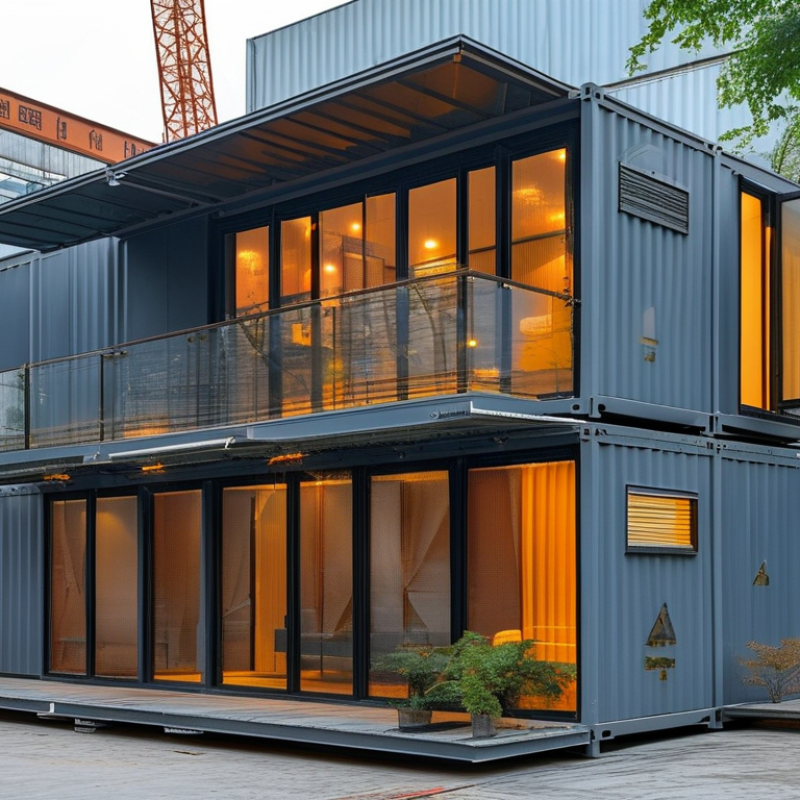
Foldable container houses are prefabricated buildings designed for quick transport and assembly. Their walls, roof, and floor fold into a compact unit during delivery. Once on site, workers expand the structure and secure each connection. A typical unit may include insulated panels, windows, doors, wiring, and basic plumbing. It resembles a container during transport, but it is not simply a converted shipping box.

These homes can serve as temporary offices, worker accommodation, classrooms, clinics, or emergency shelters. Their steel frames provide structural support, while sandwich panels help control heat and noise. However, performance depends on panel thickness, frame quality, drainage, and installation accuracy. In my experience, the foundation deserves careful attention. An uneven base can cause door gaps, water entry, and uncomfortable floors. The setup is fast, but rarely effortless.

Tips: Check wind resistance, fire performance, insulation values, and connection details before purchasing. Ask for test reports, material specifications, and installation drawings. Confirm local building requirements and utility conditions with qualified professionals. Measure the transport route, including narrow gates and overhead cables. Also inspect hinges, seals, bolts, and floor joints after expansion. Small defects may become expensive repairs. Folding systems reduce delivery space, but they can add maintenance points. That trade-off is easy to overlook. Consider ventilation too, because tightly sealed panels may create condensation without steady airflow.

How to Evaluate Chinese Foldable Container House Manufacturers

China Top 10 Foldable Container House Manufacturers?

How to Evaluate Chinese Foldable Container House Manufacturers

A top-ten list can identify potential suppliers, but ranking alone proves little. Evaluate each manufacturer through documents, factory evidence, and product performance. Request business registration details, production photographs, material specifications, and recent project references. Visit the factory when possible. A video tour helps, but it cannot replace physical inspection.

Focus on the folding mechanism, frame welds, wall panels, seals, hinges, and floor loading capacity. Ask how many opening and closing cycles the structure has completed. Review test reports for wind resistance, fire performance, insulation, and electrical safety. These documents should match the actual model, not a similar sample. Factory experience matters. Still, a polished showroom can mislead buyers. I would inspect unfinished units and speak with production supervisors. Small details often reveal quality control problems.

Tips: Compare at least three written quotations with identical specifications. Confirm steel thickness, insulation density, window type, delivery terms, warranty coverage, and replacement-part support. Ask for a realistic production schedule. Check whether the supplier uses independent inspections before shipment. Keep every technical promise in the contract. A verbal assurance is easy to forget. Also, review local building requirements before ordering, because a compliant product in one region may need changes elsewhere. Mistakes happen. Careful verification reduces expensive surprises.

China Top 10 Foldable Container House Manufacturers? - How to Evaluate Chinese Foldable Container House Manufacturers

Evidence-based evaluation framework with manufacturer identities omitted

Rank Evaluation Dimension Recommended Weight Verifiable Data or Evidence Practical Evaluation Benchmark Why It Matters
1 Regulatory and Certification Compliance 18% Product drawings, material certificates, factory quality records, and applicable ISO, GB, CE, or project-specific compliance documents. Documents must match the exact model, materials, destination market, and intended use rather than being generic company certificates. Non-compliant structures can cause customs, permitting, insurance, and installation problems.
2 Structural Design and Load Calculations 15% Stamped structural calculations, steel grade certificates, connection details, lifting points, floor-load data, and roof-load data. Calculations should be prepared for the actual span, module size, occupancy, snow load, wind load, and local design code. Foldable buildings depend heavily on hinges, corner posts, welds, and transport connections.
3 Fire Safety and Material Performance 12% Fire-rating reports for wall, roof, floor, insulation, doors, and electrical components; product technical data sheets. Fire classifications and test methods must correspond to the destination country's building and fire regulations. Insulation cores, interior finishes, wiring, and escape routes directly affect occupant safety.
4 Wind, Seismic, and Climate Adaptability 10% Project-specific wind and seismic calculations, anchoring details, corrosion protection, and climate-zone specifications. The supplier should state design assumptions instead of quoting one universal wind or earthquake rating. A design suitable for one region may be unsafe or unsuitable in a coastal, high-wind, snowy, or seismic location.
5 Thermal, Acoustic, and Energy Performance 10% Insulation type and thickness, U-value or thermal-resistance data, window specifications, ventilation design, and acoustic test information. Performance claims should identify the test method, assembly configuration, climate zone, and installation conditions. Poor envelope performance increases condensation, energy use, discomfort, and maintenance costs.
6 Waterproofing and Drainage Design 8% Roof-joint details, gasket specifications, sealant information, drainage drawings, and water-spray or leak-test records. The complete folded assembly should be tested, including roof seams, wall joints, doors, windows, and penetrations. Water ingress is one of the most common causes of corrosion, mold, insulation failure, and interior damage.
7 Folding Mechanism and Durability 8% Hinge design, locking-system drawings, maintenance instructions, cycle-test records, replacement-part availability, and inspection procedures. Request a documented cycle-test method and confirm that seals, hinges, locks, and utility connections remain functional after repeated folding. The folding system determines transport efficiency, installation speed, service life, and repair costs.
8 Factory Quality-Control System 7% Incoming-material inspection, weld inspection, dimensional checks, coating-thickness records, electrical testing, and final inspection reports. Use a pre-shipment inspection checklist with measurable acceptance criteria and photographic evidence. A documented process is more reliable than marketing claims or a single factory visit.
9 Production Capacity and Delivery Control 6% Confirmed production schedule, realistic monthly capacity, critical-path plan, packaging method, shipping dimensions, and loading plan. Capacity should be supported by current production evidence and should distinguish standard models from customized projects. Late delivery or incorrect packing can eliminate the logistics advantage of a foldable design.
10 Warranty, Spare Parts, and Technical Support 6% Written warranty terms, exclusions, response times, spare-parts list, installation manuals, remote support, and after-sales procedures. The contract should define warranty duration, defect responsibility, replacement procedures, and technical-support scope. Long-term operating costs depend on whether components can be identified, replaced, and supported after delivery.
Total Evaluation Weight 100% Score each dimension from 0 to 10, multiply by the recommended weight, and rank suppliers by the weighted total.
Scoring note: A supplier should not be ranked solely by price, factory size, website presentation, or claimed production capacity. Verify every score against model-specific documents, samples, factory records, and project requirements.

China’s Top 10 Foldable Container House Manufacturers

China’s Top 10 Foldable Container House Manufacturers should be judged by evidence, not catalogue photographs. The strongest suppliers show audited production capacity, material traceability, structural calculations, and completed projects. McKinsey’s 2019 report found that modular construction can reduce project costs by about 20% and shorten schedules by 20–50%. These figures explain the appeal of foldable housing for camps, offices, clinics, and emergency accommodation. However, factory speed does not replace engineering quality.

Tips: Ask for wind-load tests, fire-performance documents, insulation values, and waterproofing records. Check hinges, corner posts, floor joints, and lifting points in person. A useful supplier should provide drawings before payment discussions. Confirm whether prices include transport, installation, wiring, plumbing, and local compliance work.

Sustainability also deserves careful attention. UNEP’s 2023 Global Status Report states that buildings and construction consumed around 32% of global energy and produced about 34% of global carbon emissions in 2022. Foldable designs may reduce transport volume and site waste, but results depend on steel content, insulation, coatings, and reuse rates. The top ten manufacturers should therefore be compared through lifecycle evidence, not only factory size. A ranking can still be imperfect. Some production data remains self-reported, and impressive samples may hide inconsistent quality between batches. Buyers should inspect one delivered project, speak with its operator, and test the smallest details before choosing a long-term manufacturing partner.

Product Comparison: Designs, Materials, and Customization Options

Comparing China’s top foldable container house manufacturers requires more than checking catalog photos. Designs usually include single units, linked modules, and two-storey layouts. A standard 20-foot footprint supports easier transport, while expanded side panels create larger living areas on site. McKinsey’s 2019 modular construction report found that factory-built methods can reduce project schedules by 20–50%. That advantage depends on accurate drawings and prepared foundations.

Materials reveal bigger differences. Galvanized steel frames resist corrosion, but coating thickness and weld quality need inspection. Wall panels commonly use EPS, rock wool, or PIR cores. Rock wool improves fire resistance and sound control; PIR usually provides stronger thermal performance with less thickness. Still, advertised insulation values may exclude steel thermal bridges. This is often overlooked.

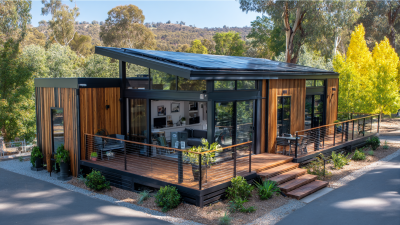
Customization can include sliding doors, folding windows, bathrooms, kitchens, wiring, solar-ready roofs, and regional snow-load upgrades. Professional buyers should request panel density, steel grades, hinge-cycle testing, drainage details, and electrical certificates. The International Energy Agency reports that buildings and construction remain responsible for roughly 30% of global energy demand, making insulation and airtightness practical cost issues, not decorative options. Factory speed sounds impressive. On-site sealing still matters. A weak gasket can defeat an expensive wall system. Product comparisons should therefore include transport dimensions, installation labor, maintenance access, and the manufacturer’s response to design changes. Some specifications remain unclear, and that uncertainty deserves a lower score.

China Top 10 Foldable Container House Manufacturers: Product Comparison

This market benchmark compares commonly offered designs, materials, and customization options across ten Chinese foldable-container-house product portfolios. The values show how many of the ten portfolios typically list each feature.

Steel frames and sandwich-panel walls are the most widely used configurations. Expandable layouts, rock-wool insulation, custom electrical and plumbing systems, and turnkey interior packages are also commonly available, while advanced facade and smart-home options are more specialized.

How to Choose the Right Chinese Manufacturer for Your Project

Choosing the Right Chinese Foldable Container House Manufacturer

China offers many foldable container house manufacturers, but a high ranking does not guarantee project suitability. Compare engineering capability, factory control, and after-sales support. McKinsey’s 2019 modular construction report estimated a potential US and European market of $130 billion. It also identified possible annual savings of $22 billion. These figures show strong demand, but cost alone can mislead buyers.

Ask for structural calculations, material certificates, fire-performance documents, and installation drawings. Check whether the manufacturer designs for your local wind, snow, seismic, and temperature conditions. A serious supplier should explain steel grades, insulation density, corrosion protection, and folding-cycle testing. Request a video factory audit or arrange an independent inspection. One overlooked weld can create expensive problems. My practical concern is simple: attractive 3D images rarely prove long-term performance.

Tips: Compare three complete quotations, not only unit prices. Confirm what shipping, foundations, plumbing, electrical work, and site assembly include. Request a finished sample room before placing a large order. Use ISO 9001 records as supporting evidence, not final proof. The International Code Council stresses that off-site construction still requires compliance with local building codes. Therefore, ask a local engineer to review drawings before production. Also verify replacement-part availability and response times in writing. A cheaper offer may become costly after one missing component.