What Is Firestopping Sealant and How Does It Work?
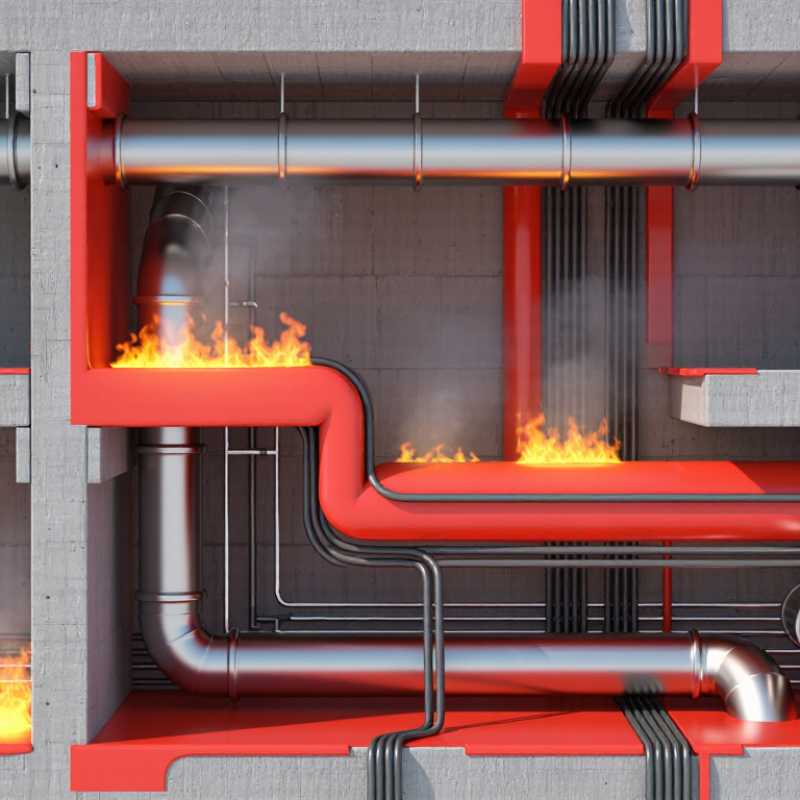
Firestopping Sealant is a specialized material used to protect openings and joints in fire-rated walls, floors, and assemblies. It helps prevent flames, smoke, and hot gases from passing through vulnerable gaps. These gaps often surround pipes, cables, conduits, ducts, and construction joints. A small opening can become a serious pathway during a fire.
The sealant works by forming a tested barrier within the building assembly. Some products expand when exposed to heat. Others char, soften, or remain flexible as surrounding materials move. This response helps close penetrations and maintain the intended fire-resistance rating. However, Firestopping Sealant does not work alone. Its performance depends on the correct product, opening size, backing material, installation depth, and compatible penetrant.
Installation details matter greatly. A trained installer should follow the manufacturer’s tested system and approved technical instructions. Building inspectors and fire protection professionals may also verify labeling, substrates, and installation quality. Generic caulk is not an acceptable substitute. It may look similar, but it can fail under heat and pressure.
No product is universal. That point is easy to overlook. Real projects include dust, uneven concrete, crowded services, and difficult access. These conditions can expose weak assumptions in a neat specification. Reliable firestopping therefore requires careful inspection, accurate documentation, and regular review of field conditions. This article explains what Firestopping Sealant is, how it reacts during a fire, and why correct system selection matters for life safety.
Definition and Purpose of Firestopping Sealant
What Is Firestopping Sealant and How Does It Work?
Firestopping sealant is a specially formulated material used to close openings in fire-resistance-rated walls and floors. These openings often surround cables, pipes, ducts, and joints. Without protection, flames, smoke, and hot gases can pass through these weak points quickly. The sealant helps restore the barrier’s intended performance.
Some formulations remain flexible as buildings move. Others expand when exposed to heat. This expansion can press around melting pipes or cable bundles. The material does not make an entire wall fireproof. It works only as part of a tested firestop system, including the correct substrate, backing material, penetration type, and installation depth. NFPA 2022 reported approximately 1,504,500 fires in the United States and about 3,790 civilian fire deaths. These figures show why small construction details deserve serious attention.
The purpose is clear: limit fire and smoke movement long enough for evacuation and emergency response. Standards such as NFPA 101 and ASTM E814 help evaluate fire-resistance performance. However, a neat bead is not proof of compliance. Installers must verify the approved system, opening size, surface condition, and required sealant depth. Dust, moisture, or excessive compression can weaken performance. Field inspections repeatedly reveal a difficult truth: the product may be correct, while the installation is not. That gap deserves more attention.
What Is Firestopping Sealant and How Does It Work?
Firestopping sealant is a fire-resistant material used to seal gaps around pipes, cables, joints, and other penetrations in fire-rated walls and floors. When exposed to heat, the tested firestop system helps restrict the passage of flame, smoke, and hot gases.
The chart shows temperatures from the standard ASTM E119 time-temperature curve, which is commonly used to evaluate fire-resistance performance in furnace tests. Actual firestopping performance depends on the complete tested assembly, including the sealant, substrate, penetration type, and installation method.
How Firestopping Sealant Blocks Fire and Smoke
Firestopping sealant is a specialized material used around pipes, cables, ducts, and building joints. Its main purpose is to close openings in fire-rated walls and floors. Without proper sealing, flames and smoke can travel through these hidden paths.
When exposed to heat, many firestopping sealants expand and form a protective char. This reaction helps close gaps left by melting plastic pipes or cable insulation. Other formulations remain flexible and maintain a tight barrier around moving joints. The seal also limits smoke movement before flames reach the opening. Smoke can spread quickly through very small cracks. A neat bead alone proves little. The sealant must match the tested wall or floor assembly, opening size, and penetrating material. Installation quality matters just as much as product chemistry.
Tips: Clean dust, oil, and loose debris from the opening before application. Follow the specified depth and backing material carefully. Inspect the finished seal for gaps, shrinkage, or poor adhesion. Record the installation location when possible. This supports later inspections and repairs. It is easy to assume that extra sealant always improves protection, but an incorrect thickness may reduce performance. Field conditions can also differ from laboratory testing, so trained installers should verify each detail against approved technical data.
Where Firestopping Sealant Is Used in Buildings
Firestopping sealant protects openings in fire-rated walls and floors. It helps restore the barrier after cables, pipes, or ducts pass through. The National Fire Protection Association reported approximately 1.5 million fires and 3,790 civilian fire deaths in the United States during 2022. These figures explain why passive fire protection deserves practical attention, not just paperwork.
In buildings, installers use firestopping sealant around electrical cable bundles, metal and plastic pipes, conduit, and ventilation penetrations. It also fills linear joints between concrete slabs, walls, and fire-rated partitions.
At curtain-wall edges, sealant can close the gap between the exterior system and the floor slab. Some formulations expand when heated. Others remain flexible while sealing smoke, flames, and hot gases. The correct choice depends on the tested assembly, penetration size, substrate, and movement requirements.
A neat bead is not proof of protection. On site, dust, moisture, excessive annular space, or incorrect backing material can weaken the installation. The sealant must match a tested system, such as those evaluated under ASTM E814 or UL 1479 methods. Inspectors should check sealant depth, continuity, identification, and installation records. NFPA 101 also treats fire-resistance continuity as part of life-safety design.
Small omissions matter. A cable tray added later may quietly create an unprotected opening. That detail deserves a second look.
Installation Standards, Testing, and Maintenance
What Is Firestopping Sealant and How Does It Work?
Firestopping sealant closes gaps around cables, pipes, and ducts during a fire. It expands, chars, or remains flexible as surrounding materials move. Its purpose is not simple waterproofing. It preserves a tested fire-resistance rating for a wall or floor assembly.
Installation must follow a tested system, not a generic product description. ASTM E814 evaluates firestop systems for F-ratings and, where applicable, T-ratings. The installer must match the penetration type, substrate, opening size, backing material, and sealant depth. Small details matter. A cable bundle installed later can change the tested configuration. Inspection standards, including ASTM E2174 and ASTM E2393, support independent review of concealed and visible firestop work. Photos, system references, and measured dimensions should enter the project record.
Testing provides evidence, but maintenance protects that evidence. NFPA’s Fire Loss in the United States During 2023 reported approximately 1.39 million fires and 3,670 civilian fire deaths. Firestopping cannot prevent every fire, yet it can slow smoke and flame movement through hidden pathways. Facility teams should inspect penetrations after renovations, technology upgrades, and mechanical repairs. Look for cracked sealant, missing backing, open annular spaces, or unapproved materials. Field work is rarely perfect. A careful installer can still miss one concealed opening. Regular audits and clear repair procedures reduce that risk. Records should identify the location, tested system, inspection date, and corrective action.


 Your message must be between 20-3,000 characters!