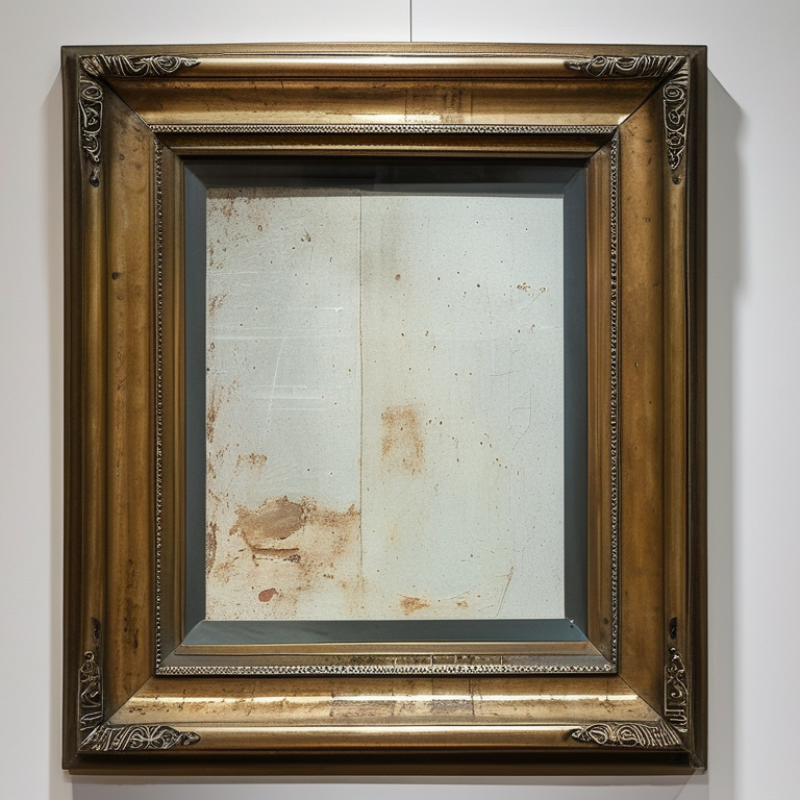
Early Victorian
c. 1837–1860 | Silver, silver-plated metal, and brass | Pressed, cast, or hand-finished frames; often fitted with easel backs | Floral borders, scrollwork, beading, shell motifs, and darkened recesses | Small portrait photographs, often around 2.5 × 4 inches or cabinet-style proportions | Reflects the growing popularity of studio portrait photography during the nineteenth century | Check for worn plating, repaired hinges, replaced velvet, and later photographic inserts |
Late Victorian
c. 1860–1901 | Silver, silver plate, brass, and bronze | Cast or stamped metal with hinged stands, glass, and backing boards | Rococo revival curves, acanthus leaves, flowers, cherubs, and ornate cartouches | Cabinet cards commonly measured about 4.25 × 6.5 inches | Represents the era when portrait cards became widely collected and displayed in domestic interiors | Look for consistent aging, intact glass, stable solder joints, and evidence of original surface finish |
Edwardian
c. 1901–1914 | Silver, silver plate, brass, and pewter | Machine-assisted stamping combined with hand polishing and engraved details | Lighter ornament, ribbons, garlands, oval openings, and restrained geometric borders | Postcard-size and cabinet-card formats were frequently accommodated | Combines late nineteenth-century craftsmanship with the cleaner taste of the early twentieth century | Confirm that engraved decoration is not modern acid etching and inspect the back for replaced fittings |
Art Nouveau
c. 1890–1914 | Pewter, bronze, brass, and silver-plated metal | Cast relief, repoussé work, and molded decorative panels | Whiplash curves, flowing stems, irises, lilies, dragonflies, and female figures | Oval, portrait, and small rectangular openings were common | Shows the period’s preference for organic lines and nature-inspired decorative arts | Assess the sharpness of relief, natural patina, edge wear, and whether the backing matches the frame’s age |
Art Deco
c. 1920–1939 | Chrome-plated metal, nickel, aluminum, brass, and bronze | Stamped, machined, or cast frames with angular stands and stepped profiles | Geometric lines, sunbursts, stepped corners, fan shapes, and symmetrical borders | Small rectangular, square, and oval portrait formats | Expresses the machine-age aesthetic and the period’s interest in modern materials and streamlined form | Inspect chrome or nickel loss, corrosion beneath plating, bent supports, and sharpness of geometric edges |
Mid-Century Modern
c. 1945–1965 | Aluminum, stainless steel, brass, and plated steel | Folded, extruded, pressed, or simply cast metal with minimal ornament | Clean edges, thin profiles, asymmetry, smooth surfaces, and functional easel backs | Common photographic sizes included 3.5 × 5 inches and 4 × 6 inches | Appeals to collectors seeking the transition from ornate historical styles to practical modern design | Check for oxidation, scratched finishes, loose clips, and modifications made to accommodate newer prints |
General Antique Identification
Usually more than 100 years old | Determined by the period; silver, brass, bronze, pewter, aluminum, nickel, and steel are all possible | May include casting, stamping, repoussé, engraving, soldering, plating, or hand finishing | Design, wear, patina, construction, and proportions should be consistent with the claimed period | Measure the visible opening and the rear rabbet rather than relying only on the stated photo size | Historical value comes from age, craftsmanship, cultural context, originality, condition, and documented provenance | Request exact measurements, metal composition details, condition photographs, and information about restoration or replacement parts |


 Your message must be between 20-3,000 characters!