logo

How to Use Folding Homes for Space Saving Living Solutions?

In today's world, space is a luxury. Urban living often forces people into small apartments or cramped quarters. However, "folding homes" offer a creative solution to this challenge. These innovative structures provide flexibility and functionality in confined spaces. They can be expanded or collapsed based on need, making them ideal for modern lifestyles.

Imagine transforming your living area within moments. Folding homes can turn a cozy nook into a spacious gathering spot. They utilize smart designs to maximize utility. With compact storage options, every inch is optimized. However, this convenience doesn’t come without its challenges. The initial costs or structural adjustments can be daunting.

The idea of folding homes also raises questions about sustainability. How do these structures impact the environment? While they save space, we must reflect on their material usage. Ultimately, folding homes could redefine urban living, but are they the right choice for everyone? As cities grow, finding the balance between space and efficiency becomes essential.

How to Use Folding Homes for Space Saving Living Solutions?

Understanding the Concept of Folding Homes in Modern Living

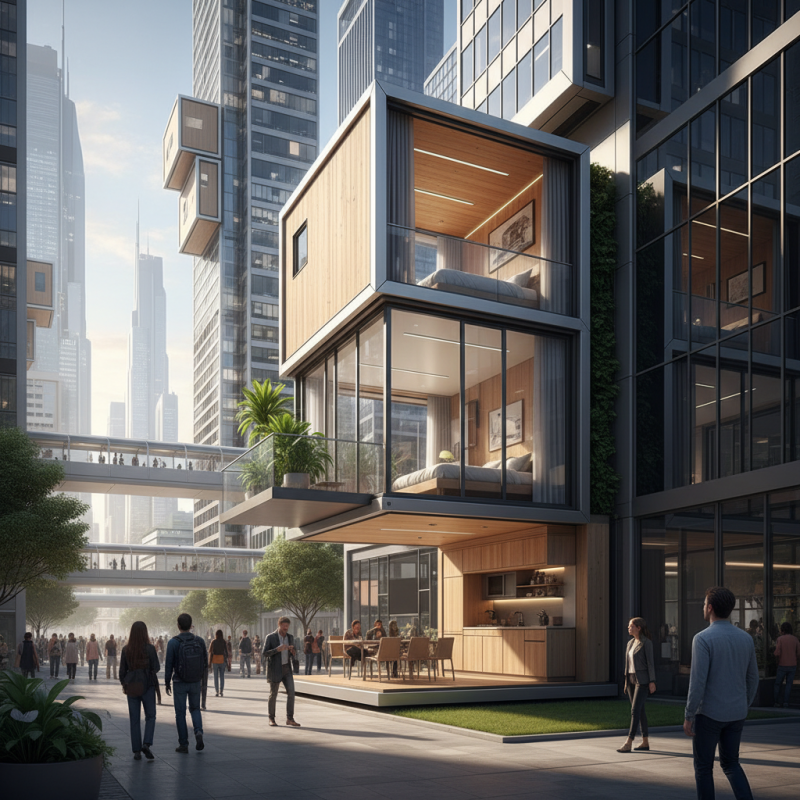
Folding homes represent a transformative concept in modern living. These innovative structures can collapse and expand, offering flexibility to city dwellers. According to researchers, urban populations are projected to reach 68% by 2050. This shift demands efficient use of limited space. Folding homes can provide a solution for smaller living areas.

The design of folding homes often integrates sustainable materials. This approach aligns with rising eco-conscious trends. In fact, a report from the World Green Building Council notes that buildings contribute to 39% of global carbon emissions. Thus, folding homes not only save space but also lessen environmental impact. However, they still pose challenges, such as durability and practicality in varying climates.

Investing in folding homes could optimize urban space usage. Yet, the average consumer may hesitate due to unfamiliarity. Homes that fold may not appeal to traditionalists. A deeper understanding of their benefits is crucial. As living spaces shrink, exploring such solutions may become a necessary conversation in urban planning.

Space Efficiency in Folding Homes

This chart compares key space efficiency metrics between folding homes and traditional homes, highlighting their respective living space, storage capacity, flexibility, and cost. Folding homes offer a compact solution with lower living space and storage but higher flexibility and lower cost, making them a viable option for modern living.

Benefits of Folding Homes for Space-Saving Solutions

How to Use Folding Homes for Space Saving Living Solutions?

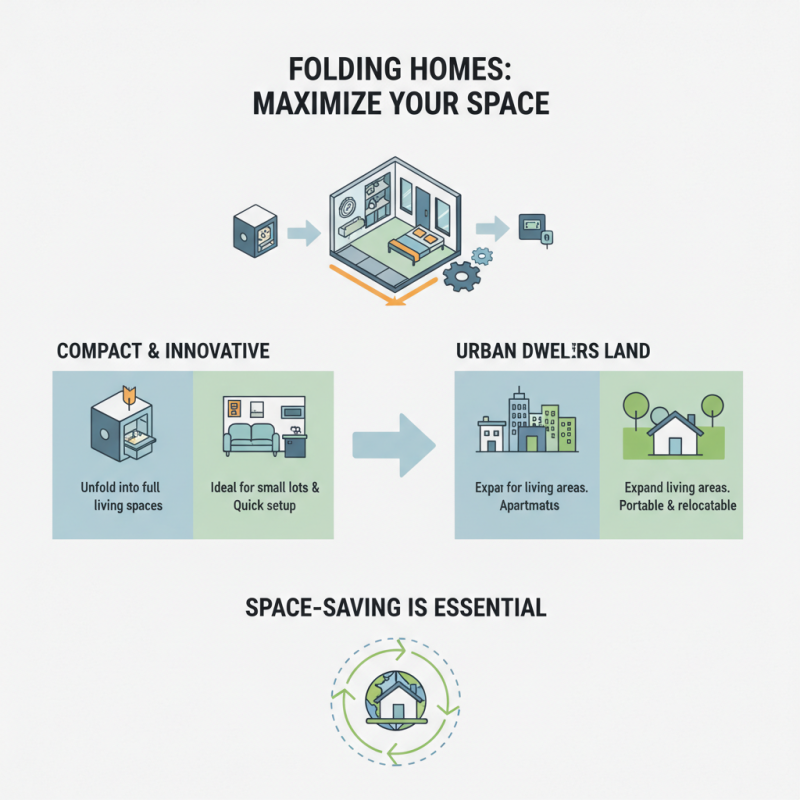
Folding homes are a game changer for maximizing space. They can be compact and innovative. These homes unfold into functional living spaces. This flexibility benefits both urban dwellers and those with limited land. Space-saving is essential in today's world.

One major benefit is adaptability. Folding homes can change size and shape based on needs. Want a small studio? You got it. Need a larger area for guests? Just adjust! This feature allows for efficient use of limited space. It's like having multiple homes in one.

Here are some tips for using folding homes effectively. Consider multi-functional furniture to complement the design. Choose collapsible items that can be hidden away easily. Always measure your space to ensure everything fits. Embrace the idea of living simply. Reflect on what belongings you truly need. Less is more, especially in small spaces.

Design Features of Folding Homes for Maximum Efficiency

Folding homes are gaining attention for their innovative design features. These structures prioritize space efficiency, making urban living more viable. Compact and adaptable, they can transform based on needs. When closed, they occupy minimal space. When opened, they provide functional living areas that accommodate various activities.


One notable aspect is their multifunctional furniture. For instance, beds that fold into walls free up floor space during the day. Tables can extend or retract, depending on the number of users. This adaptability pushes creative boundaries in limited spaces. However, such designs sometimes sacrifice comfort for efficiency.


Natural light plays a crucial role in enhancing the atmosphere. Many folding homes incorporate large windows, creating an illusion of spaciousness. This aspect can be quite refreshing. Still, it poses a challenge in privacy. Finding a balance between openness and security is essential. Overall, folding homes present unique solutions, but careful consideration is necessary for optimal living experiences.

Practical Tips for Incorporating Folding Homes into Your Lifestyle

Folding homes offer unique solutions for space-saving living. These innovative designs can be a game changer for urban dwellers. Imagine a compact space that transforms easily. When friends come over, you can fold out furniture to create more room. It's like having a versatile living area that adapts to your needs.

Incorporating folding homes requires practical thinking. Assess your space and lifestyle needs before diving in. Visualize how you will use each area. Consider multifunctional furniture that can serve dual purposes. For example, a folding table could also work as a desk. Start small by introducing foldable items into your current setup. This way, you can see what works and what doesn’t.

Some challenges may arise during this transition. Not every folding piece fits seamlessly into your home. You might find that certain designs clash with your decor. It's essential to be open to adjustments. Embrace the learning process. Reflect on how each item improves your space. Experiment with placement and functionality. Folding homes can inspire creativity, but it takes time to adapt.

Future Trends in Folding Homes and Sustainable Living Solutions

The future of folding homes looks promising, especially in the context of sustainable living. Recent reports indicate that over 30% of the world’s population may face housing shortages by 2030. Folding homes offer compact living solutions that optimize space and resources. They can be assembled quickly and require fewer materials. This adaptability helps reduce construction waste, catering to an emergent demand for eco-friendly solutions.

Sustainability is at the heart of folding home trends. A study showed that housing accounts for approximately 40% of global energy consumption. If we shift to flexible living spaces, we might dramatically lower our carbon footprint. These homes often use recyclable materials and incorporate energy-efficient designs. However, challenges remain. Not all folding homes provide adequate insulation or natural light. Innovations in design can address these issues, leading to improved livability.

While folding homes are innovative, there is room for refinement. Many designs prioritize aesthetics but overlook functionality. As cities evolve, these homes must adapt to various climates and urban environments. More research is needed to ensure that these solutions balance comfort and sustainability. Overall, while folding homes present significant opportunities, we must critically assess their long-term viability.

How to Use Folding Homes for Space Saving Living Solutions?

Feature Description Benefits Future Trends
Compact Design Utilizes space-efficient layouts and structures. Maximizes usable living area in small footprints. Integration of modular designs for versatile living options.
Sustainable Materials Made from eco-friendly and renewable resources. Reduces the carbon footprint and promotes sustainability. Growing preference for sustainable living among consumers.
Mobility Designed to be easily transported and relocated. Offers flexibility for new locations or changing needs. Emerging demand for portable housing solutions.
Energy Efficiency Incorporates energy-saving technologies and designs. Lower utility costs and reduced environmental impact. Advancements in green technology for homes.
Innovative Interior Solutions Features multi-functional furniture and spaces. Enhances comfort and usability in compact areas. Rising interest in smart furniture and tech integration.