10 Essential Tips for Choosing a Modular House Design
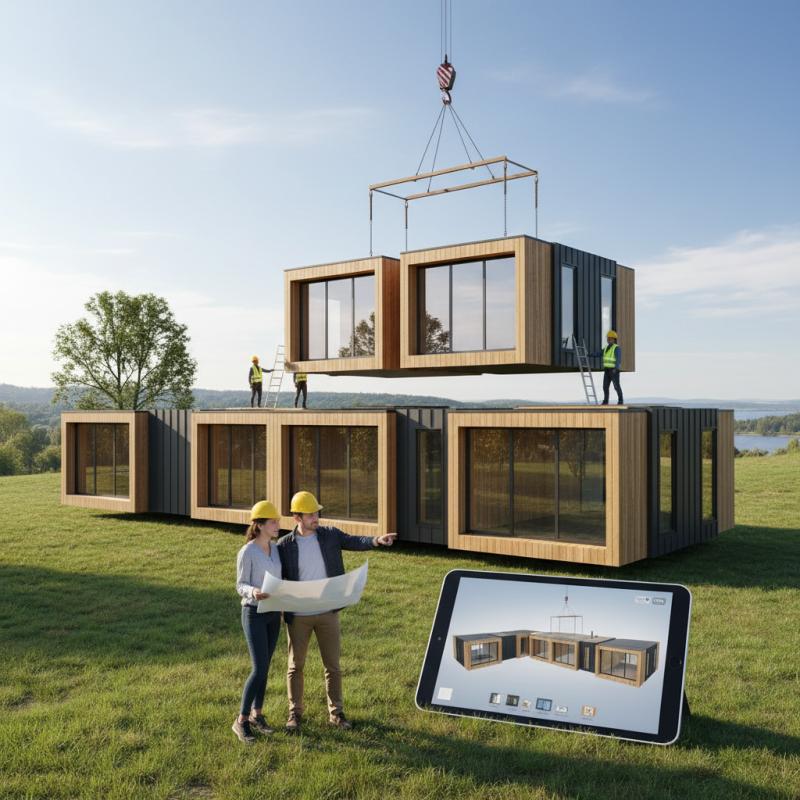
Choosing a modular house design can be both exciting and daunting. These homes offer flexibility and efficiency. Modular houses are built off-site and assembled on your property. This method can save you time and labor costs.
However, the selection process requires careful thought. Consider your lifestyle and space needs. What features matter most to you? Do you prioritize energy efficiency or innovative layouts?
It’s easy to get lost in beautiful designs. Yet, it's crucial to evaluate practicality. Each choice comes with a trade-off. Remember, your modular house should reflect your values and aspirations. Think beyond aesthetics. Reflect on how the space supports daily living.
Modular houses are gaining popularity for their efficiency and affordability. Understanding the basics is crucial before making a choice. A modular home is built in sections in a factory. It is then transported and assembled on-site. This method can reduce construction time by up to 50%. However, the quality of materials can vary widely. Be diligent when assessing the options.
Tip: Evaluate the materials used in construction. Some builders may cut costs with lower quality materials. Unsuitable choices can lead to long-term issues. Conduct research on common materials used in modular designs. Look for sustainable options that enhance durability.
Also, consider foundation types that work with modular designs. A solid foundation is essential for longevity. Pouring a concrete slab may be cheaper, but it might not support your home well. Another option is a crawl space. This method allows for better ventilation but requires thorough waterproofing.
Building codes vary widely by location. Ensure your design meets local regulations. Ignoring codes can lead to costly fines. Always consult local authorities. Choosing a modular house requires careful consideration of these basic elements. It’s important to weigh the pros and cons before diving in.
10 Essential Tips for Choosing a Modular House Design
This bar chart illustrates the importance of key factors when selecting a modular house design. The data reflects the average rating of each factor based on surveys from homeowners and architects.
Assessing Your Space and Site Requirements
When choosing a modular house design, assessing your space and site requirements is crucial. Start by evaluating the land area. Understand the dimensions and any zoning regulations. Check for natural features like trees or slopes that might influence your layout. These elements can bring charm or complications to your design.
Consider the orientation of your site. Southeast-facing plots capture morning light, which can save energy costs. However, shaded areas can provide cool retreats. Think carefully about how these factors interplay with your daily needs. You might think you want a large deck, but poor sunlight can reduce its usability.
Accessibility is another key factor. Ensure pathways and entry points are practical for everyday living. Reflect on how you envision moving freely within and outside the house. Spaces may look appealing on paper, but real-life functionality can differ. Do not hesitate to adjust your designs to create a truly livable environment.
Evaluating Different Modular Design Styles
When evaluating different modular design styles, it's crucial to understand the variety available. Each style offers unique aesthetics and functionality.
For instance, a contemporary modular home may feature sleek lines and large windows for natural light. In contrast, a traditional style often emphasizes symmetry and classic materials.
Consider what resonates with you and fits your lifestyle.
Tip 1: Think about your surroundings. A design that complements the local environment can greatly enhance your home’s appeal. It might blend smoothly or stand out beautifully against the backdrop. Assess other homes in your area for inspiration.
Another factor to consider is the layout. Modular homes offer flexible floor plans. Evaluate how you will use your space.
An open layout can feel spacious yet lacks privacy. Meanwhile, a compartmentalized design provides defined areas. Both have pros and cons. Reflect on what daily life looks like.
Tip 2: Prioritize functionality over trends. A popular design today may not suit your needs in a few years. Trends come and go. Instead, aim for a timeless style that remains practical. Think about future changes in your family dynamics. Will your home still work for you down the line?
Ultimately, selecting a modular design requires thoughtful consideration. Each choice can significantly impact your comfort and lifestyle. Your decision should bring joy and satisfaction, reflecting your personality and values.
Choosing Sustainable Materials for Your Modular Home
When selecting materials for your modular home, sustainability should be a priority.
Eco-friendly materials help reduce your carbon footprint. Look for recycled or reclaimed options. These choices can cut down waste significantly. Organic materials, like bamboo or cork, are great alternatives too. They offer durability and a natural aesthetic.
It’s crucial to consider insulation methods. Poor insulation can cause energy loss.
Using sustainable insulation solutions can enhance energy efficiency. Look into cellulose or sheep's wool. They're effective and environmentally friendly.
Don’t overlook the importance of local sourcing.
Materials sourced nearby reduce transportation emissions. This practice supports the local economy as well.
However, availability may vary. Sometimes, local doesn’t mean the best. Research extensively to ensure quality.
Aim for a balance between availability and sustainability.
Every choice counts in your modular home journey.
Budgeting and Financing Options for Modular House Construction
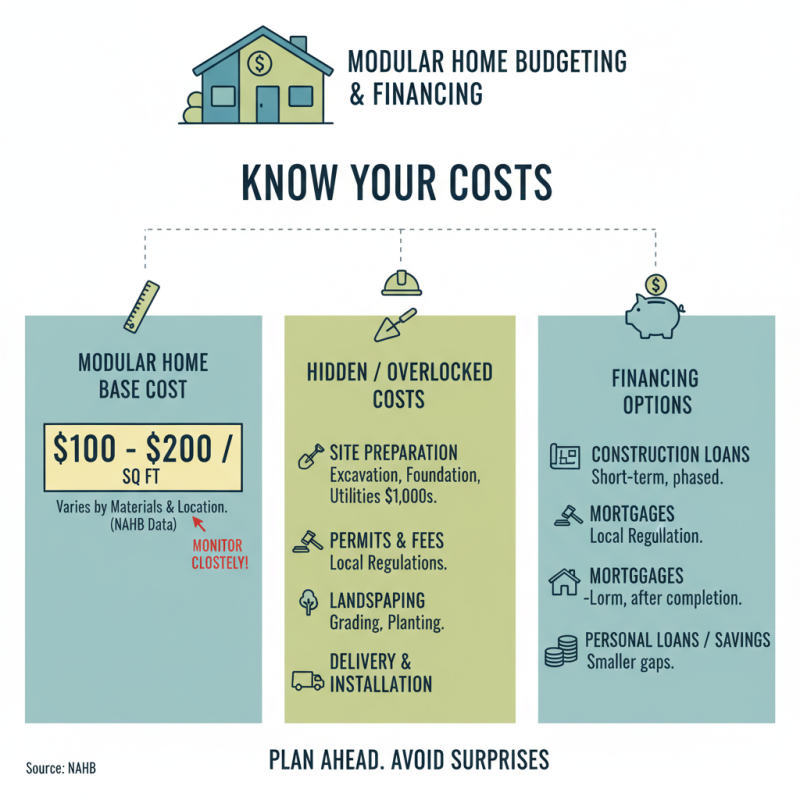
When planning a modular house, budgeting is crucial. According to the National Association of Home Builders, the average cost per square foot for modular homes can vary widely, typically ranging from $100 to $200, depending on materials and location. This price range can lead to unexpected expenses if not closely monitored. Homebuyers often overlook site preparation costs. These can add thousands to the overall budget if not accounted for.
Financing options for modular homes also demand attention. Many lenders provide specialized loans for modular construction. Borrowers should explore FHA loans, which can offer lower down payment requirements. However, not all lenders are familiar with modular homes. This can lead to delays and frustration during the loan application process. Transparency about your financial situation is vital. Misunderstandings could hinder approval.
Savings play a significant role in this journey. Potential modular homeowners should consider setting aside at least 10% of their budget for contingencies. This buffer can help manage surprises during the build process. Reflecting on personal financial habits can identify areas for improvement. Many find they underestimate costs, leading to budget overruns. Detailed planning is essential to avoid potential pitfalls.