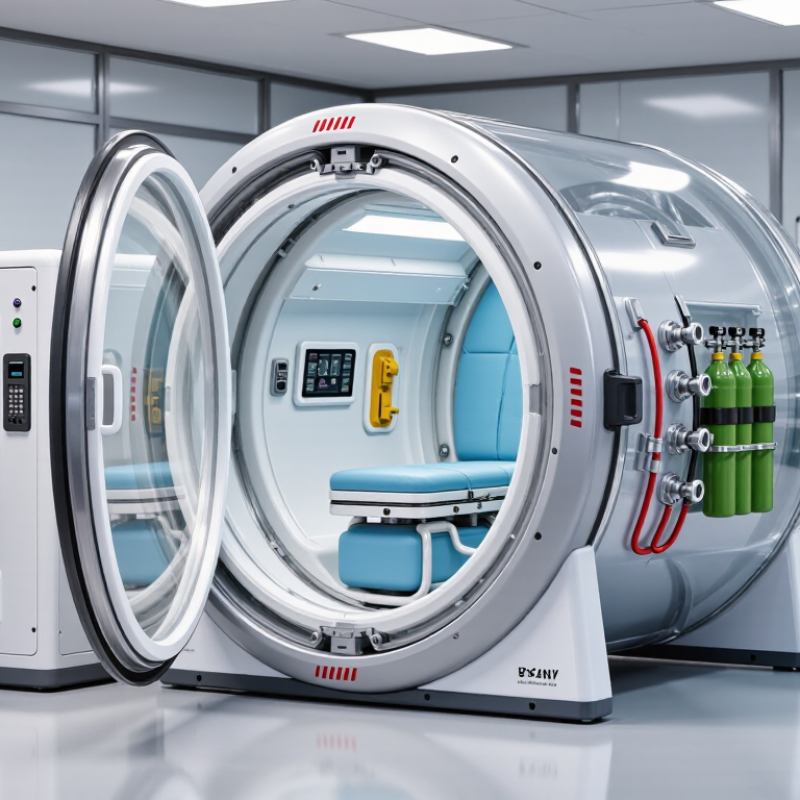
| Typical Pressure Range | Commonly designed for approximately 1.3–1.5 ATA. The exact maximum depends on the model and its certification. | Often capable of pressures above the mild range, commonly around 1.5–3.0 ATA or more, depending on the system. | Generally designed for clinical treatment pressures, often about 2.0–3.0 ATA or higher, depending on the facility and chamber. |
| Meaning of ATA | ATA means atmospheres absolute. 1.0 ATA is normal atmospheric pressure at sea level; 1.5 ATA is approximately 50% higher than normal atmospheric pressure. | Uses the same ATA measurement, with more precise control at higher pressures. | Uses the same ATA measurement and is usually operated by trained clinical staff. |
| Chamber Structure | Flexible, inflatable enclosure supported by internal pressure. It is usually entered through a zippered or sealed opening. | Rigid, pressurized enclosure intended for one person. The patient may lie down or sit, depending on the design. | Rigid chamber designed for several occupants, usually with a staff member inside during treatment. |
| Common Materials | Often uses reinforced PVC-coated fabric, thermoplastic polyurethane, transparent panels, and pressure-rated seals. | Commonly uses acrylic viewing sections, steel or aluminum structural components, pressure-rated windows, and engineered seals. | Typically uses steel or aluminum structures, acrylic viewing windows, pressure-rated doors, and dedicated life-support systems. |
| Breathing Gas | May use chamber air, an oxygen concentrator, or an oxygen mask. A concentrator may deliver oxygen-enriched gas, but the exact concentration varies with equipment and flow rate. | May provide medical oxygen through a mask or hood, or pressurize the chamber with air and provide oxygen separately. The configuration must be verified before purchase. | Usually provides oxygen through masks, hoods, or other delivery systems while the chamber is pressurized with air. Gas delivery is managed by trained personnel. |
| Pressure Control | Usually has slower compression and decompression, manual or semi-automatic controls, pressure gauges, relief valves, and emergency venting provisions. | Normally provides more accurate automated pressure control, alarms, monitoring, and emergency release functions. | Provides advanced pressure, ventilation, communication, and emergency-control systems operated by trained staff. |
| Patient Capacity | Usually one person; some larger designs may accommodate more than one occupant, but capacity must match the certification. | One person. | Several patients, with capacity determined by the chamber design and local regulations. |
| Installation Requirements | Usually requires less space and infrastructure, but still needs adequate ventilation, a stable floor, electrical safety, and sufficient clearance around the unit. | Requires a suitable room, structural assessment, electrical service, ventilation, fire protection, and professional installation. | Requires substantial dedicated space, engineered installation, medical-gas or ventilation systems, fire protection, and facility-level support. |
| Portability | Generally the easiest type to relocate or store, although frequent movement may increase wear on seams, zippers, and connectors. | Usually not portable after installation because of its weight and infrastructure requirements. | Permanent facility equipment and not suitable for routine relocation. |
| Visibility and Comfort | Often provides a transparent viewing area and a more spacious, less clinical environment, but entry and exit may be less convenient for some users. | Provides a stable treatment environment and may offer wider access, integrated communication, and adjustable patient positioning. | Allows staff supervision and communication during treatment and may be preferable for patients requiring closer observation. |
| Best-Suited Use | Home or wellness settings where a low-pressure system is appropriate and a qualified professional has reviewed the user’s suitability. | Medical or clinical settings requiring precise control, higher pressures, and more structured monitoring. | Hospitals or specialized centers treating multiple patients or patients needing continuous clinical support. |
| Evidence and Intended Claims | Evidence for mild hyperbaric applications is limited and condition-specific. Be cautious of claims that it can treat a broad range of diseases. | May be used for recognized medical indications when prescribed and supervised according to applicable clinical protocols. | Usually used for established medical indications under specialist supervision and facility protocols. |
| Key Safety Considerations | Check oxygen concentration, maximum operating pressure, pressure-relief systems, fire-safety controls, emergency procedures, and user training. Never use unauthorized flammable materials or electrical devices inside. | Requires formal screening for conditions such as untreated pneumothorax, careful oxygen and fire-risk management, and trained operation. | Requires comprehensive medical screening, oxygen-fire precautions, emergency planning, continuous monitoring, and trained clinical staff. |
| Maintenance Priorities | Inspect fabric, seams, windows, zippers, valves, gauges, oxygen tubing, and relief systems regularly. Follow the manufacturer’s inspection and service schedule. | Require scheduled inspection of pressure vessels, seals, windows, valves, oxygen systems, alarms, and emergency functions by qualified personnel. | Requires documented preventive maintenance, pressure-vessel inspection, life-support testing, fire-system checks, and regulatory compliance. |
| Questions to Ask Before Purchase | What is the certified working pressure? What gas is delivered? Is the system intended for home use? What emergency-release and fire-safety features are included? Are replacement parts and service available? | What medical standards apply? Which monitoring functions are included? Who will install and maintain the chamber? What clinical training is required? | What facility approvals, staffing, ventilation, oxygen supply, emergency procedures, and maintenance contracts are required? |
| Practical Selection Priority | Choose only after confirming pressure certification, oxygen configuration, fire safety, emergency access, user suitability, and realistic treatment goals. | Choose when precise pressure control, clinical monitoring, and broader treatment capability are more important than portability. | Choose when multiple-patient capacity, continuous staff support, and hospital-level treatment infrastructure are required. |


 Your message must be between 20-3,000 characters!