logo

How to Choose the Best Container House for Your Needs?

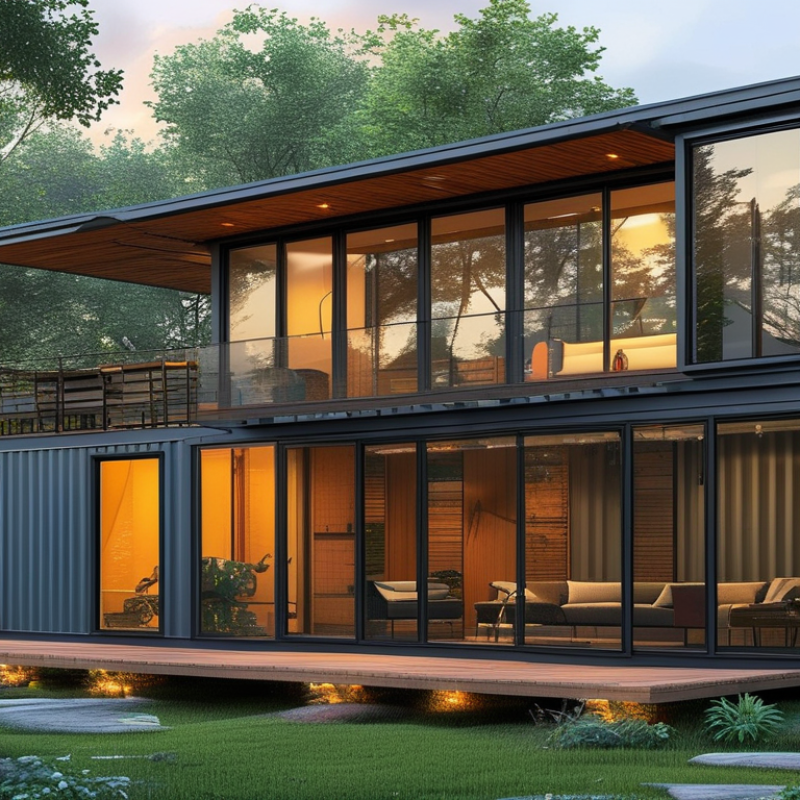
Choosing the right container house can be challenging. With so many options available, making the best choice requires careful thought. Alex Turner, a recognized expert in sustainable architecture, once stated, "A container house should be a reflection of your personal needs and lifestyle." This sentiment highlights the importance of aligning your choice with what truly fits your life.

Container houses offer unique advantages such as affordability, mobility, and eco-friendliness. But there are pitfalls to consider. Not every container house is built with the same quality. Some may face issues like insulation failures or structural concerns. Research is vital. Look for professionals who specialize in container homes.

It's essential to assess your priorities. Do you prefer a compact design or a spacious layout? The needs of a family differ significantly from those of a single person. Furthermore, consider location. Climate and land availability can greatly influence your decision. Take time to reflect on what will work best for you. A container house can be a wonderful investment, but it requires a thoughtful approach.

How to Choose the Best Container House for Your Needs?

Understanding Container House Basics and Benefits

Container houses are an innovative solution in modern architecture. They offer flexibility in design while being eco-friendly and cost-effective. A report from the Container Housing Association highlights that these structures can reduce construction waste by up to 70%. This eco-conscious approach appeals to many seeking sustainable living options.

Understanding the benefits is crucial. Container homes are durable and can withstand harsh weather. They are made from high-quality steel, ensuring longevity. Many owners report a 30% reduction in energy costs with proper insulation. However, there are challenges. Some people find it difficult to obtain permits. Local building codes may impose restrictions that complicate the process.

When contemplating a container home, consider your needs. Assess the space and layout that will best serve your lifestyle. Many find the transition from traditional homes challenging. Storage can become an issue in smaller units. It's essential to balance your desire for minimalism with practical storage solutions. Ultimately, thoughtful planning can lead to a successful container living experience.

Evaluating Container Durability: Material and Structural Integrity

When considering a container house, durability is crucial. Container homes must withstand various environmental challenges. A report from the International Organization for Standardization indicates that Corten steel, commonly used in containers, resists corrosion better than regular steel. This material can last for decades under adverse conditions. However, proper treatment and maintenance are essential. Neglecting to address rust can compromise structural integrity over time.

Structural integrity is another vital aspect. According to a study by the Container Housing Association, the structural design of a container must account for potential load-bearing requirements. Many designers recommend reinforcing corners and joints to enhance stability. Improper modifications can weaken the structure, making it vulnerable to collapse.

While container houses offer many benefits, they are not without challenges. Buyers must assess insulation and environmental adaptability. A poorly insulated container can lead to excessive energy costs. Research indicates that achieving a comfortable indoor climate requires effective thermal insulation. This is often overlooked in the design phase. Thus, thorough evaluation and planning can ensure longevity.

Determining Space Requirements: Size and Layout Considerations

When selecting a container house, understanding your space requirements is crucial. Start with size and layout considerations. According to industry report data, the average living space per person ranges from 150 to 300 square feet in tiny homes. This figure is a practical benchmark for container houses as well.

Think about your personal needs. How many bedrooms do you require? Will you need extra space for a home office or storage? Make a list of essential and non-essential features. A minimalist approach often works best. Avoid overcrowding the design to maintain a functional flow.

Take note of zoning regulations. Local laws affect the size and layout. Researching these can save both time and resources in the long run. Many container houses offer open-concept designs. This can create the illusion of more space. Consider how you can leverage natural light through windows and skylights.

Ensure that your layout allows for flexibility. You may need different arrangements as your needs evolve. Container homes can adapt, but significant changes can be costly later. Prioritize a layout that offers comfort, functionality, and future growth potential.

How to Choose the Best Container House for Your Needs? - Determining Space Requirements: Size and Layout Considerations

Container Type Size (L x W x H in ft) Square Footage Ideal Use Cases Max Occupancy
20' Standard Container 20 x 8 x 8.5 160 sq ft Office, Workshop 1-3 people
40' Standard Container 40 x 8 x 8.5 320 sq ft Living Space, Retail 3-8 people
40' High Cube Container 40 x 8 x 9.5 320 sq ft Storage, Workshop 3-8 people
Custom Container Home Variable Sizes Varies Full-time Residence Varies

Assessing Energy Efficiency: Insulation and Utility Costs

When selecting a container house, energy efficiency is critical. Insulation plays a vital role in regulating indoor temperature. Proper insulation reduces heat loss in winter and keeps the space cool in summer. Reflective materials can be used to bounce heat away, which is essential for keeping utility costs low.

Utility costs are often a worry in container homes. Many homeowners underestimate how energy-efficient options can save money long-term. Installing energy-efficient windows and sealing any gaps can make a significant difference. Consider how the layout impacts airflow and natural light. These elements can enhance comfort while reducing reliance on heating and cooling systems.

However, not all insulation materials are created equal. Some may have a higher upfront cost but offer better thermal performance. It's essential to research and compare options. Explore the long-term benefits versus initial spending. Those choices can shape your overall satisfaction with a container home. Balancing aesthetics and practicality can lead to energy-efficient living that is both financially and environmentally sound.

Energy Efficiency in Container Houses: Insulation vs. Utility Costs

Exploring Cost Factors: Price Range and Financing Options

When considering the cost factors of a container house, it's essential to understand the price range involved. Prices can vary significantly based on size, design, and location. A basic unit might start at a low cost, but customizations tend to raise the price. Many people overlook the hidden costs related to land preparation and utilities. These can add thousands to the initial budget and must be planned for.

Financing options are another crucial aspect. Traditional loans may not cover container homes since they are often classified differently. Innovative financing solutions, such as personal loans or specialized mortgages, could be more accessible. Some buyers may consider alternative financing, like peer-to-peer lending. However, these options come with their own risks. It's wise to evaluate each option thoroughly and ensure it fits your long-term financial plans.

Understanding these cost factors and financing options can be overwhelming. Take time to gather information and connect with experienced builders. Their insights can clarify potential challenges and help you refine what you really need. Reflect on your budget and willingness to compromise on certain features. This reflection will guide you toward making the most informed decision.