Why Choose 3 Bedroom Prefab Homes for Your Next Project?
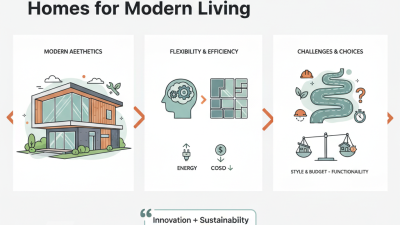
When considering your next construction project, 3 bedroom prefab homes are a compelling option. These homes combine efficiency with design flexibility. Notably, expert architect Lisa James emphasizes, “3 bedroom prefab homes offer a blend of modern aesthetics and sustainability.” This statement encapsulates the growing preference for prefabricated living spaces.
The flexibility of 3 bedroom prefab homes makes them suitable for various lifestyles. They can cater to families, retirees, or even remote workers seeking extra space. Each layout allows for personal touches, ensuring that no two homes look the same. However, the industry faces challenges. Not every prefab option aligns with every homeowner's vision. Some may find limitations in local regulations or site conditions.
Quality assurance is crucial. While many prefab homes boast advanced building techniques, the experience of buyers varies. Research shows that choosing a reliable manufacturer is vital. Always inquire about material sourcing and construction practices. While prefab homes are often quicker to build, not all options guarantee durability. Make sure to reflect on these aspects. This careful consideration will lead to a more satisfying investment in your future.
Prefab homes have surged in popularity due to their numerous benefits. They offer a fast and efficient building process.
With streamlined manufacturing, construction time can be cut dramatically. This speed allows homeowners to move in sooner.
Prefabricated structures are built in controlled environments, reducing weather-related delays.
Energy efficiency is another advantage of prefab homes. Many models come with advanced insulation and eco-friendly materials.
This leads to lower utility bills and a smaller carbon footprint. Buyers can also enjoy customization options.
With three-bedroom designs, families have space for growth.
However, the perception of prefab homes can be mixed. Some still associate them with lower quality.
It’s essential to research manufacturers and materials to ensure reliability. While there are many experienced builders,
it’s wise to look for reviews or ask for referrals. Finding the right fit requires effort but can yield a uniquely tailored living space.
Key Features of 3 Bedroom Prefab Homes
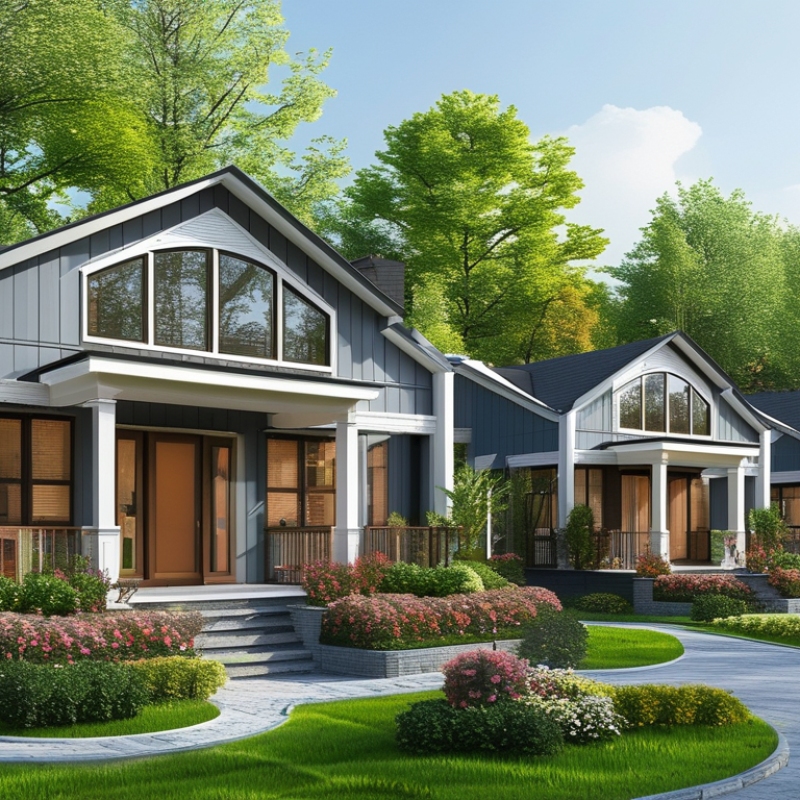
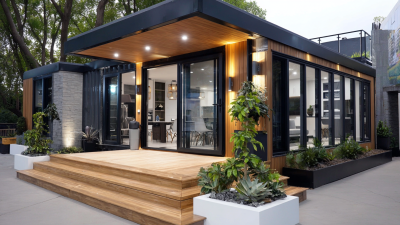
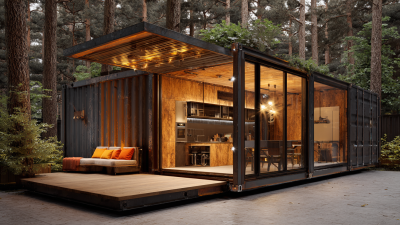
When considering a home project, 3 bedroom prefab homes stand out for several compelling reasons. They provide a spacious living environment, ideal for families or individuals in need of extra rooms. These homes often feature open floor plans that promote a sense of community. Natural light floods in through large windows, creating a warm and welcoming atmosphere.
Key features make these homes particularly appealing. Many designs include modern kitchens equipped with essential appliances. Spacious living rooms offer plenty of room for entertaining guests or relaxing with family. Additionally, the bedrooms can be customized to fit personal styles, which adds a unique touch to each home. The durability of prefab materials is noteworthy, ensuring they withstand changing weather conditions while maintaining energy efficiency.
However, choices can be overwhelming. Some designs may not fully utilize available space. This can lead to areas that feel cramped or uninspired. Homeowners should carefully assess their needs versus the available designs. Balancing aesthetics and functionality is crucial. By focusing on what truly matters, one can create a comfortable living space that reflects personal taste.
Key Features of 3 Bedroom Prefab Homes
This chart illustrates the key features that make 3 bedroom prefab homes an attractive choice for many. The importance rating reflects how potential homeowners value various aspects such as cost efficiency, construction time, energy efficiency, design flexibility, and sustainability.
Cost-Effectiveness and Time Efficiency of Prefab Solutions
Choosing a 3-bedroom prefab home offers remarkable cost-effectiveness and time efficiency, making it an appealing option for many homeowners. Prefab homes significantly reduce construction costs due to streamlined manufacturing and labor savings. This approach minimizes on-site delays, often leading to faster completion times. Many people find the budget-friendly nature of these homes aligns well with their financial plans.
When it comes to budgeting, understanding all costs involved is essential. You should consider not only the price of the prefab unit but also any additional fees for site preparation, permits, and utilities. Allocate extra funds for unforeseen expenses. Remember, adequate planning can save you from unexpected financial strain.
Time efficiency stands out in prefab construction. Homes are usually assembled on-site within weeks, unlike traditional homes, which can take months. This speed allows homeowners to move in sooner and start enjoying their new living space. Think about what features matter most to you. Prioritizing essential aspects can simplify the decision-making process. Constructing a prefab home can also offer better resale value due to its modern design and efficient use of space.
Sustainability Aspects of 3 Bedroom Prefab Homes
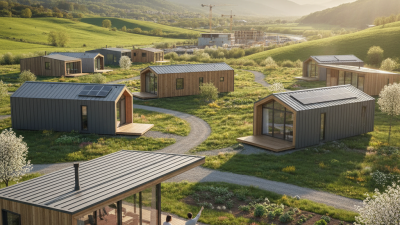
The choice of 3-bedroom prefab homes is increasingly popular, especially in discussions of sustainability. These homes often utilize eco-friendly materials that reduce waste during construction. Prefabrication minimizes on-site labor, leading to less environmental impact. For instance, factories can control their energy use more effectively compared to traditional builds.
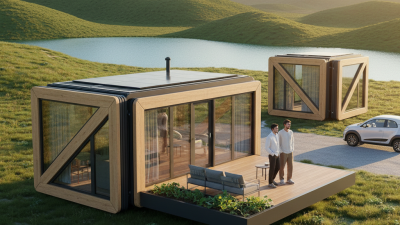
Energy efficiency is another vital aspect. Many 3-bedroom prefab homes are designed with insulation that meets high standards. This creates a comfortable indoor climate while reducing heating and cooling needs. Furthermore, they can be equipped with renewable energy systems, such as solar panels. Though this might raise the initial investment, the long-term savings on energy bills can be quite significant.
One must consider local regulations that can impact the environmental benefits of prefab homes. Not every area supports renewable technologies or eco-friendly practices. Additionally, some buyers may find it challenging to adapt to the more minimalist designs. While prefab homes offer distinct advantages, the barriers to their widespread acceptance warrant careful reflection. The sustainability of these homes is promising but requires further commitment from builders and homeowners alike.
Customization Options for 3 Bedroom Prefab Designs
When considering 3 bedroom prefab homes, customization is a vital aspect to explore. Homeowners can personalize layouts to suit their specific needs. This could include altering room sizes, adding storage solutions, or even incorporating flexible spaces for work or play. The design allows for your unique lifestyle, which is often harder to achieve with traditional construction.
Another option for customization is the selection of materials and finishes. Homeowners can choose eco-friendly materials, modern fixtures, or classic designs that reflect their style. This adaptability ensures that each home feels personal, not generic. However, one might face challenges in balancing costs with the desire for high-end finishes. It’s crucial to find a balance that works for your budget while still achieving your desired aesthetic.
Additionally, energy-efficient choices can enhance long-term savings. Solar panels, energy-efficient windows, and insulation add value to your home. Yet, implementing these features can require initial investment and careful planning. Customizing a prefab home isn't just about aesthetics; it involves thoughtful consideration of practicality and sustainability.
Why Choose 3 Bedroom Prefab Homes for Your Next Project? - Customization Options for 3 Bedroom Prefab Designs
Feature
Description
Benefits
Customization
Ability to design layouts, finishes, and fixtures tailored to individual preferences.
Increases homeowner satisfaction and uniqueness of home.
Energy Efficiency
Prefabricated homes often use energy-efficient materials and construction methods.
Lower utility bills and improved comfort.
Construction Speed
Rapid assembly on-site due to pre-built components.
Faster move-in times and less disruption during construction.
Sustainability
Use of sustainable materials and practices in the construction process.
Reduced carbon footprint and environmental impact.
Affordability
Generally lower costs compared to traditional homes.
Makes homeownership accessible to a wider range of buyers.