How to Build a Foldable House for Convenient Living?
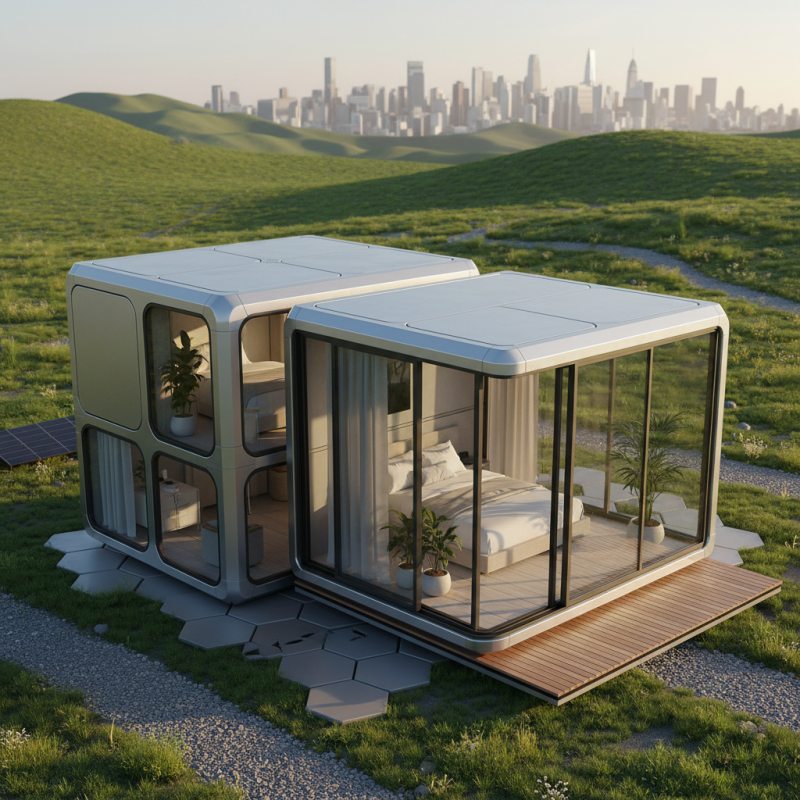
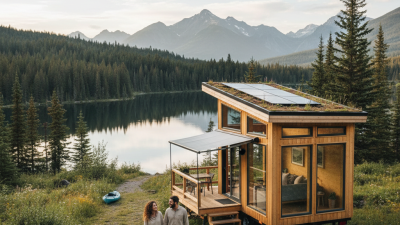
As urban living continues to evolve, the need for flexible housing solutions becomes more pressing. The concept of a foldable house addresses this challenge, offering a new way to experience home life. Imagine a structure that can effortlessly transition from a compact form to a fully functional living space.
A foldable house not only maximizes efficiency but also minimizes disruption to the environment. Flexibility is key when space is limited. This innovative design allows for easy relocation, whether for travel or temporary stays. People desire homes that fit their lifestyle, yet can adapt to changing needs.
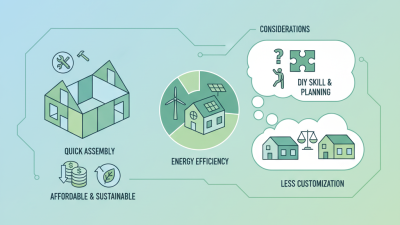
While this concept is exciting, it also raises questions. How durable is a foldable house? Will it stand the test of time? Maintenance could become more complicated. We must reflect on these potential flaws and consider improvements to ensure longevity. Building a foldable house is an exciting venture, but it requires careful planning and consideration.
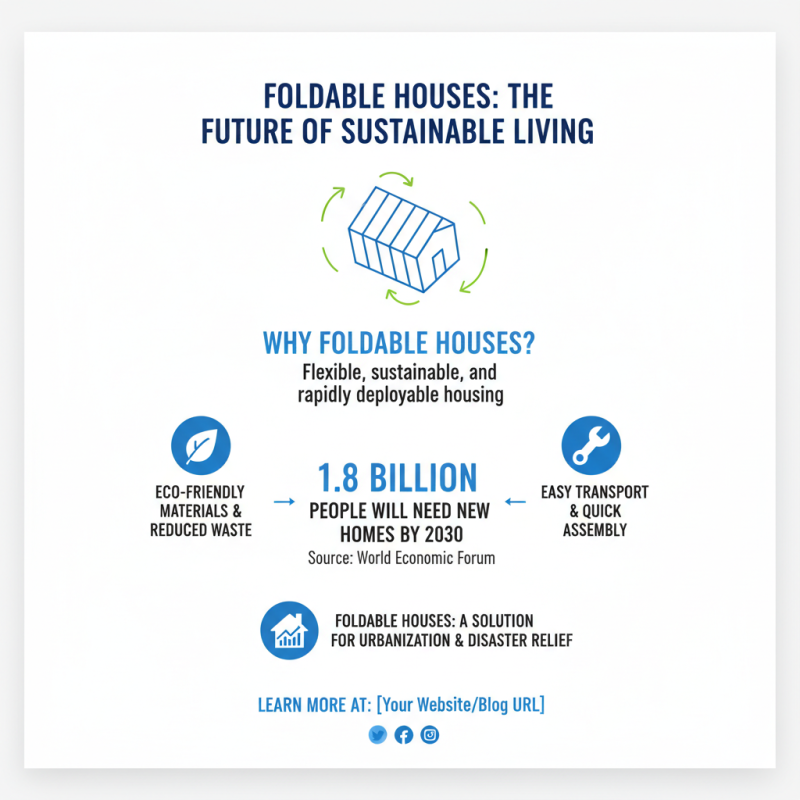
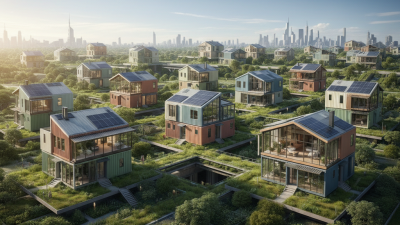
Foldable houses represent a new trend in sustainable living. These innovative structures can be expanded or collapsed with ease. The concept caters to the growing need for flexible housing solutions. A report from the World Economic Forum states that 1.8 billion people will need new homes by 2030. Foldable houses can address this challenge with efficiency.
Imagine a house that can fit into a small trailer when not in use. Upon unfolding, it reveals functional living spaces—bedrooms, kitchens, and bathrooms. This adaptability not only saves space but also conserves resources. According to a 2021 study, foldable homes can reduce energy consumption by up to 40%. However, the technology to ensure durability and insulation remains a topic of ongoing research.
Creating foldable houses involves balancing innovation with practicality. While the potential is vast, challenges remain. Designing for safety and comfort is crucial. The materials used must withstand varying weather conditions. Some initial designs have faced scrutiny for their structural integrity. Future advancements in materials science will be vital for overcoming these hurdles. As interest grows, the practicality of foldable houses deserves continuous examination and improvement.
Essential Materials for Constructing a Foldable House
Building a foldable house requires careful selection of materials. Lightweight yet durable options are key.
Consider using aluminum for the frame. It's strong, resistant to corrosion, and easy to handle.
Additionally, the use of high-quality plywood can provide insulation and structural support. This material is also easy to fold and transport.
For the walls, polycarbonate panels work well. They are lightweight, allowing easy assembly and disassembly.
The transparency of these panels offers natural light, creating a welcoming atmosphere. While these materials sound ideal, there can be shortcomings.
Aluminum might bend under extreme conditions. Plywood can warp if exposed to moisture. Always think through where your house will be placed.
Don't overlook insulation. Using foam boards can help regulate temperature inside your foldable home.
They are compact and can be easily stored when the house is folded. However, foam boards also have limitations and require careful installation.
Proper sealing is essential to prevent air leaks. Paying attention to small details will improve the overall comfort of your foldable house.
Step-by-Step Guide to Designing a Foldable House Plan
Designing a foldable house can be an exciting challenge. Start by envisioning the space you need. Think about functionality and how to maximize every inch. Create areas for living, dining, and sleeping. Use modular components that can easily connect and detach. Choose lightweight but durable materials; flexibility is crucial.
Next, consider practical aspects. What will the house look like when it’s folded? You need a design that remains aesthetically pleasing. Make sure to plan for insulation and energy efficiency. Think about storage solutions that fit within the foldable design. A foldable house should not only be compact but also comfortable.
Be aware of potential pitfalls. Construction may take longer than expected. You might encounter issues with stability when the house is in its folded state. The hinges and folding mechanisms require careful engineering. Regular maintenance will be essential to ensure longevity. Design is an iterative process; expect to adjust your plans.
Materials Used in Building a Foldable House
Techniques for Assembling and Disassembling Foldable Structures
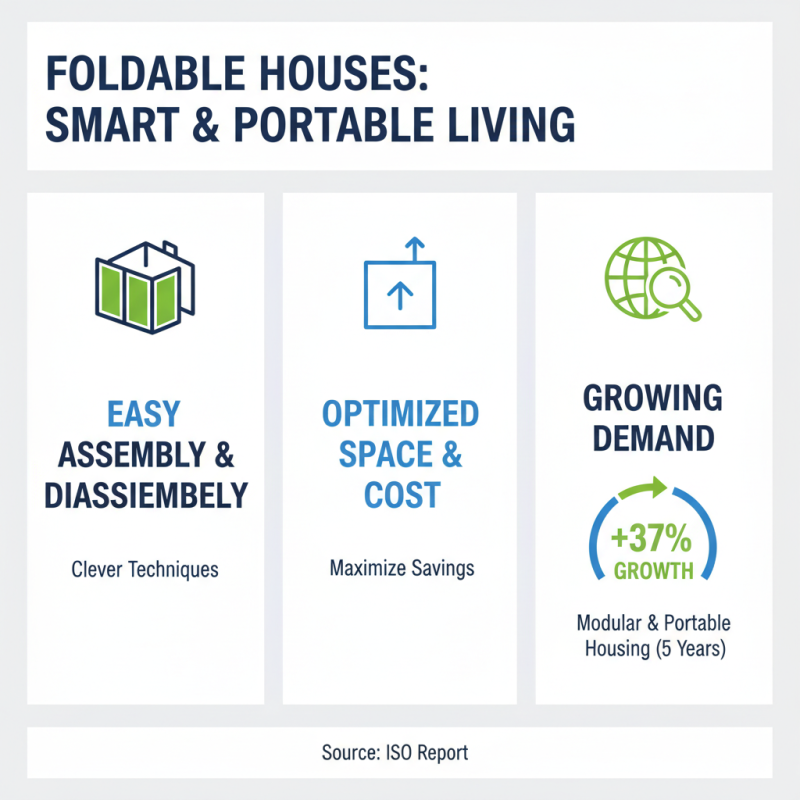
Building a foldable house requires clever techniques for easy assembly and disassembly. These structures often maximize space and reduce costs. A report from the International Organization for Standardization indicates rising interest in modular and portable housing solutions, showing a 37% growth in this sector over the last five years.
The assembly process typically involves simple components. Lightweight materials like aluminum and engineered wood allow for quick setup. Folding mechanisms, often inspired by origami, enable multiple configurations. A study by the Harvard School of Design highlights that urban dwellers prefer compact living spaces. These designs can be a solution to rising housing costs and limited land availability.
Disassembling is just as crucial. Proper techniques ensure that components remain intact for future use. However, a major challenge can be ensuring structural integrity during repeated installations. Regular maintenance schedules are essential, and overlooking this can lead to larger issues. Additionally, some users may find it difficult to reassemble the units without assistance, which might hinder the convenience factor. Balancing user-friendliness with durability remains a key point of reflection in this evolving industry.
Incorporating Sustainability in Foldable House Designs
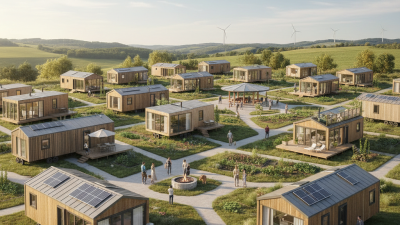
Foldable houses offer an innovative solution for modern living. They can be compact and easily transported. Incorporating sustainability into these designs is crucial. According to a recent report from the World Green Building Council, buildings contribute to 39% of global carbon emissions. This highlights the need for eco-friendly materials and construction methods.
One approach is using recycled materials for building components. This not only reduces waste but also lowers carbon footprints. Solar panels can power these homes, cutting energy costs and dependency on non-renewable resources. A study by the International Energy Agency suggests that incorporating renewable energy in housing can reduce energy consumption by up to 80%.
However, challenges remain. The technology for truly sustainable foldable homes is still evolving. Some designs may lack durability or high-quality insulation, affecting comfort levels. Effective integration of nature and aesthetics is often overlooked in initial designs. Reflecting on these aspects is essential for a balanced and livable outcome. Making space for improvement will drive better future innovations.
How to Build a Foldable House for Convenient Living? - Incorporating Sustainability in Foldable House Designs
Design Feature
Description
Sustainability Impact
Modular Structure
Houses can be expanded or contracted based on need.
Reduces material waste and allows for easier recycling.
Solar Panels
Equipped with solar panels for renewable energy.
Decreases dependence on fossil fuels and cuts energy costs.
Rainwater Harvesting
Captures rainwater for household use.
Conserves water and promotes self-sufficiency.
Natural Insulation Materials
Utilizes materials like straw bales or recycled paper for insulation.
Minimizes environmental impact and improves energy efficiency.
Compact Design
Optimizes space usage with smart design.
Encourages minimalism and reduces the urban footprint.