logo

10 Best Flat Pack Homes for Global Buyers?

Choosing among the 10 best flat pack homes for global buyers requires more than comparing attractive floor plans. These homes may arrive as labelled wall panels, folded roof sections, and compact crates. Yet the real experience begins before delivery. Buyers must examine insulation, foundation requirements, shipping routes, assembly support, and local building approval. A low purchase price can change quickly after customs fees, site preparation, and specialist labour.

Alastair Parvin, co-founder of WikiHouse, described construction as “the largest industry in the world, and also the least digitised.” His observation explains why flat pack homes can feel both exciting and unfinished. Digital design may improve precision, but it cannot inspect soft ground, coastal wind, or a poorly sealed window. Those details still require skilled people. Sometimes, the brochure hides them.

This guide compares ten notable models through a practical global lens. It considers living space, materials, energy performance, transportability, installation time, and after-sales support. It also questions impressive claims where evidence seems limited. Some homes suit a snowy rural plot, while others fit a warm urban garden. Few perform equally well everywhere. Buyers should request structural drawings, warranty terms, maintenance guidance, and regional compliance information before paying a deposit. The best choice may not be the largest or cheapest model. It may be the home with the clearest instructions, dependable support, and honest limitations. Even then, expectations need adjustment. Flat pack homes simplify construction, but they do not remove the complexity of building responsibly.

10 Best Flat Pack Homes for Global Buyers?

What Flat Pack Homes Are and Why Global Buyers Choose Them

What Flat Pack Homes Are and Why Global Buyers Choose Them

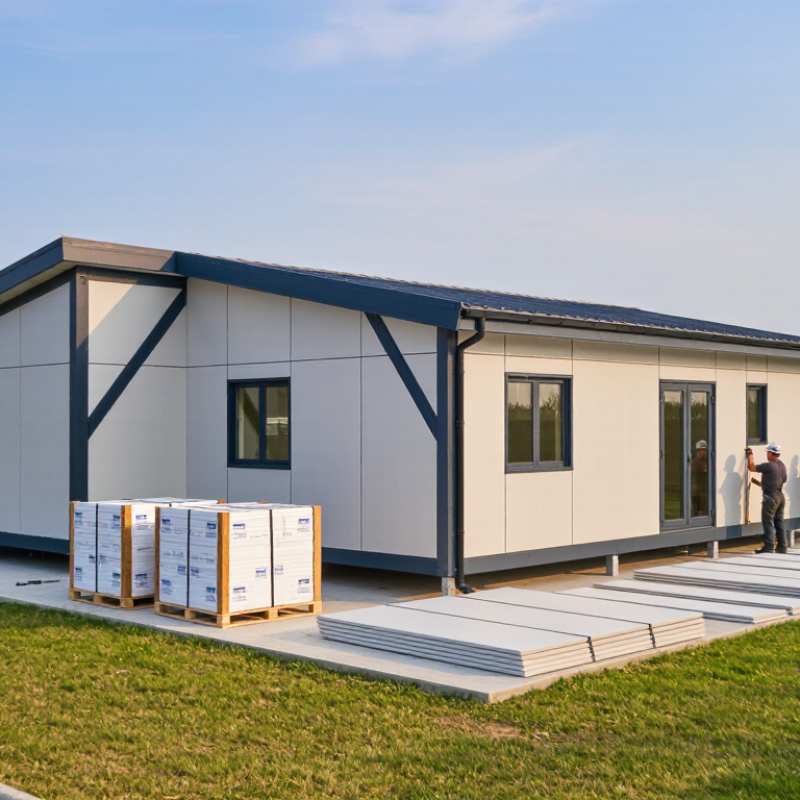
Flat pack homes are factory-made building systems shipped as compact panels or modules. Walls, floors, and roof sections arrive on pallets. Workers then connect them on a prepared foundation, often with bolts and limited wet construction.

This approach can reduce transport volume and shorten site disruption. It also gives buyers clearer control over materials, dimensions, and installation stages.

The McKinsey Global Institute reported in 2019 that modular construction could reduce project timelines by 20–50% and costs by about 20%.

These figures cover modular building broadly, not every flat pack home. Still, they explain the appeal for international buyers facing expensive labor and remote sites.

UNEP’s 2023 Global Status Report found that buildings consumed 34% of global energy and produced 37% of energy-related and process emissions in 2022. Factory cutting may reduce waste, but performance depends on insulation, airtightness, and local energy systems.

The package is not magic.

A small foundation error can delay the entire assembly. Buyers should check wind ratings, snow loads, fire safety, moisture control, and local permits before ordering.

Climate matters too. A design suited to a dry temperate region may struggle in tropical humidity.

Some suppliers provide excellent drawings, while others leave gaps between engineering and installation.

Independent inspection is worth the cost. The cheapest quotation can become expensive after shipping, customs, utility connections, and site preparation.

How to Compare the Best Flat Pack Home Designs Worldwide

Comparing the Best Flat Pack Home Designs Worldwide

The best flat pack home is not always the largest or cheapest. A reliable comparison starts with climate, transport, and daily use. Review the wall thickness, insulation rating, window performance, and roof design. A home suited to a mild coastal area may struggle in dry heat or heavy snow.

Look closer. Ask how panels are protected during shipping. Check whether the frame tolerates repeated loading and unloading. Examine moisture barriers, ventilation paths, and connection details around doors. These small areas often decide long-term comfort. Designs for windy regions should include verified structural calculations. Homes in seismic zones require different engineering decisions. Independent inspection is valuable.

Assembly requirements also deserve careful attention. Compare the number of workers, specialist tools, site preparation, and estimated installation hours. A simple layout may reduce costs, but awkward plumbing routes can create expensive changes later. Confirm that electrical and water systems can be adapted by qualified local professionals. Regional building approval should be checked before purchase, not after delivery.

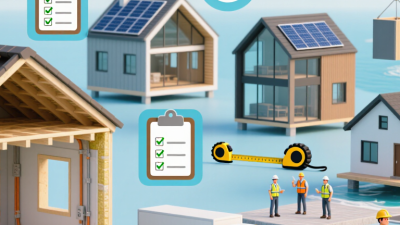
I would also compare warranties, replacement-part access, and technical drawings. Clear documentation suggests stronger professional control. However, attractive computer images can hide practical weaknesses. I once underestimated crane access on a compact site; the delivery plan needed revision. That mistake was avoidable. A careful buyer should measure road width, turning space, foundation levels, and drainage before selecting a design.

Key Features, Materials, and Construction Methods to Evaluate

Choosing among the 10 best flat pack homes requires more than attractive renders.

The key test is the building envelope: continuous insulation, controlled ventilation, weather seals, and low thermal bridging. Materials therefore matter. Timber panels can reduce structural weight, while light-gauge steel offers dimensional stability and termite resistance. Structural insulated panels provide fast assembly, but damaged cores can be difficult to inspect. A small flaw becomes expensive later.

The 2023 UNEP Global Status Report for Buildings and Construction states that buildings consume about 32% of global energy and produce approximately 34% of energy-related carbon emissions.

Construction method also affects reliability.

Panelized systems usually arrive as numbered wall, roof, and floor sections. Volumetric modules arrive as finished rooms, reducing site labor but increasing transport constraints.

McKinsey’s 2019 report, Modular construction: From projects to products, found that modular methods can shorten project schedules by 20–50% and reduce costs by up to 20% in suitable conditions.

Those figures are not guarantees. Rural roads, cranes, local foundations, and customs delays can erase the advantage. Measure twice. Then check again.

For global buyers, examine moisture testing, fire performance, acoustic ratings, and connection details before comparing prices.

Ask whether the design follows local structural codes, wind loads, snow loads, and seismic requirements. Environmental declarations aligned with EN 15804 can clarify material impacts, while responsible timber documentation improves traceability. I would also request a full bill of materials and replacement procedure. A lower upfront price may conceal specialist parts that are unavailable locally. That weakness deserves honest attention.

Costs, Regulations, Shipping, and Installation Across Countries

The ten best flat pack homes for global buyers are not identical winners. They suit different climates, budgets, and approval systems. A compact timber model may work well in Sweden, but require extra insulation in Canada. A steel-framed design can handle coastal weather, yet shipping costs may rise sharply. Prices usually include the structural kit, not land, foundations, permits, utilities, or interior finishing. Treat online estimates as starting points, not promises.

Regulations can change between countries, regions, and even neighboring towns. Ask a local architect or licensed surveyor to check planning permission, fire safety, energy performance, and earthquake standards. Shipping also needs careful calculation. A container may carry the panels, windows, fasteners, and insulation, but port charges, customs duties, storage, and inland transport can add unexpected costs. Installation is rarely as simple as the brochure suggests. Ground preparation, cranes, weather delays, and local labor can affect the final budget. I would not pretend every estimate is precise; early figures often miss connection fees and drainage work.

Tips: Request a complete cost schedule before paying a deposit. Confirm whether taxes and customs are included. Measure the access road, not just the building plot. Check the installer’s local experience and insurance. Keep a contingency fund of at least 15 percent. Photograph every delivered component, because one missing connector can delay an entire wall. A practical choice should balance purchase price, transport distance, local rules, maintenance, and long-term comfort.

10 Best Flat Pack Homes for Global Buyers

Indicative all-in cost benchmarks by destination country, including the home package, international shipping, basic installation, and typical site preparation.

Costs are planning estimates in USD per square metre for a small, permanent flat-pack dwelling. Actual pricing varies with floor area, insulation standards, foundation design, local labor, customs duties, taxes, permits, and site access.

Buyers should confirm local building-code compliance, wind and seismic requirements, import classification, utility connections, and whether professional certification is required before ordering.

How to Select the Right Flat Pack Home for Your Location and Needs

Choosing among the 10 best flat pack homes starts with the site, not the catalogue. Measure road width, turning space, slope, soil condition, and crane access before comparing floor plans. A compact home may fit the plot but fail during delivery. Check local wind, snow, seismic, fire, and insulation requirements with a qualified building professional. Rules vary sharply between regions.

Climate should guide the envelope and interior layout. In humid areas, specify raised floors, drainage channels, vapour control, and corrosion-resistant fixings. Cold locations need continuous insulation, airtight joints, and mechanical ventilation. In hot regions, deep overhangs, external shading, and cross-ventilation can reduce cooling demand. The International Energy Agency reports that building operations consume about 30% of global final energy. Small design decisions matter.

Budget for more than the factory price. Add transport, foundations, permits, utility connections, local labour, taxes, and weather protection during assembly. A site with a narrow village road may need smaller modules or extra delivery trips. The United Nations Environment Programme reported that buildings and construction represented 34% of global energy demand and 37% of energy-related process emissions in 2022. Therefore, compare operational energy, not only purchase cost. A glossy specification can hide weak windows or difficult maintenance. That deserves scrutiny. A perfect choice on paper may still feel wrong after one rainy winter. Source: UNEP, Global Status Report for Buildings and Construction 2023; IEA, Buildings.