Top Benefits of Folding Homes for Modern Living Solutions?
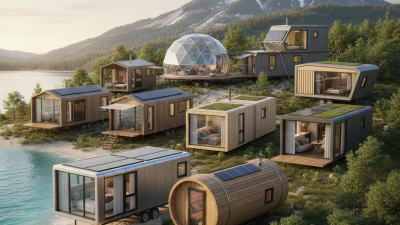
In today's fast-paced world, the concept of folding homes is gaining traction. These innovative structures offer a flexible alternative to traditional housing. Expert architect Sarah Johnson emphasizes this idea, stating, "Folding homes adapt to our needs, providing space and comfort wherever we go."
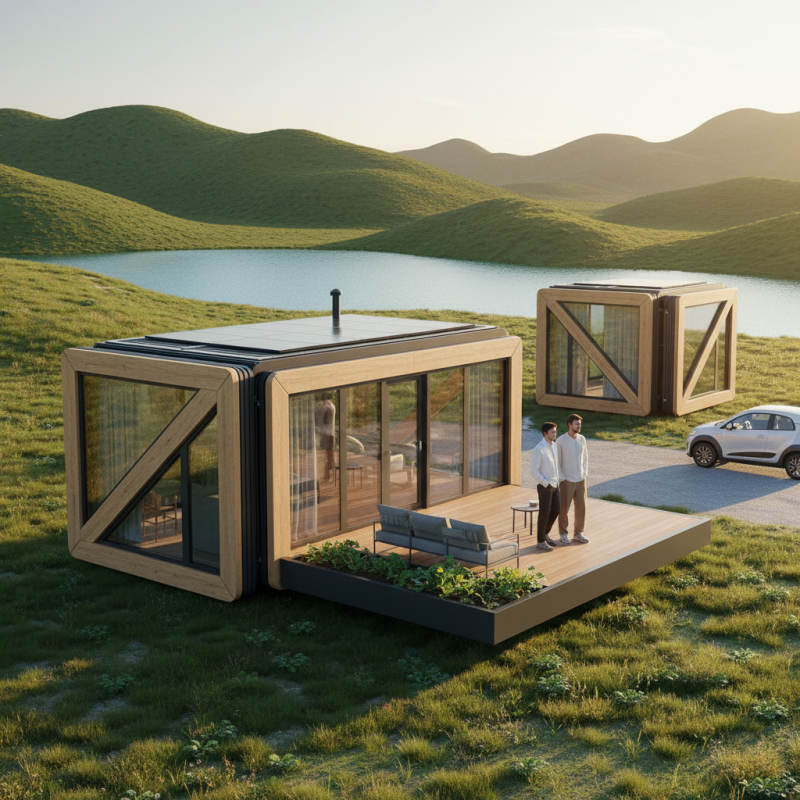
Folding homes are not just a trend; they represent a shift in how we view living spaces. Their transformative designs allow for easy relocation and setup. Imagine a cozy abode that unfolds in mere minutes, adapting to different environments. Yet, despite their appeal, some may question long-term durability and comfort.
As we explore the benefits of folding homes, we must also reflect on their challenges. What does it mean to prioritize mobility over permanence? Engaging with these questions can help us understand the true value of folding homes in modern living solutions.
Benefits of Space Optimization in Folding Homes for Urban Living
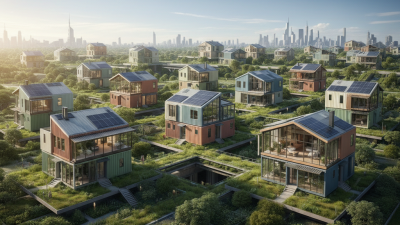
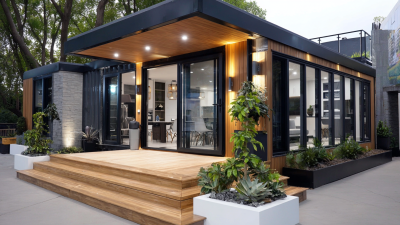
Folding homes represent a shift in how we think about urban living. These innovative structures maximize space, addressing the challenges of city life. In densely populated areas, every square foot counts. Folding homes use modular designs to create living spaces that adapt to individual needs.
Imagine a small area transforming into a cozy living room or a functional work environment. A folding table slides out when needed, while walls can pivot to create privacy. This versatility makes urban living adaptable, appealing to various lifestyles. However, it can be hard to find a complete sense of permanence in such fluid environments.
While these homes are efficient, they also prompt reflection on our relationship with space. Are we sacrificing comfort for functionality? The temporary feeling of folding homes may not suit everyone. Yet, they challenge us to rethink what “home” truly means in a modern world. Flexibility in design may lead to both opportunities and sacrifices in our daily lives.
Sustainability Impact: Energy Efficiency of Folding Homes Compared to Traditional Housing
Folding homes offer impressive advantages in the realm of modern living solutions. One of the most significant benefits is their energy efficiency. These homes are designed to maximize natural light and airflow. This design reduces reliance on artificial heating and cooling. Builders often incorporate high-quality insulation, which keeps energy use low. As a result, occupants can enjoy lower utility bills and a smaller carbon footprint.
When comparing folding homes to traditional housing, the sustainability impact becomes clear. Typical houses often require more resources and energy during construction and operation. Folding homes, however, use innovative materials that can be sourced sustainably. They are often prefabricated, which reduces waste and time on-site. However, challenges exist. Some might question the longevity or durability of these homes. Additionally, local building codes may pose hurdles. These factors need careful consideration when choosing folding homes for long-term use.
Cost-Effectiveness: Financial Savings of Investing in Folding Homes
Folding homes are rapidly gaining attention. They offer a unique, cost-effective solution for modern living. The initial investment might seem daunting. However, the long-term savings can be significant. These homes often require less material than traditional builds. That translates to lower construction costs. They are also energy-efficient, which means ongoing savings on utilities.
In addition to lower upfront costs, folding homes are adaptable. They can be relocated easily, making them ideal for various lifestyles. Living in urban areas can become overwhelming. The flexibility of these homes allows families to move as needed. This can save money on rent or land costs.
While folding homes have many advantages, there are challenges. For instance, zoning laws vary widely. Some areas may not permit such structures. Potential owners must conduct thorough research. Ensuring compliance with local regulations is crucial. It’s important to weigh both the benefits and drawbacks before making a decision.
Top Benefits of Folding Homes for Modern Living Solutions
Benefit
Description
Financial Impact
Cost Savings
Lower construction costs compared to traditional homes.
Up to 30% savings in building expenses.
Energy Efficiency
Designed for better insulation and energy use.
Reduced utility bills, savings estimated at 15-20% annually.
Time Savings
Quicker construction time due to prefabrication.
Construction time reduced by 50%.
Flexibility
Easily relocatable and adaptable to different locations.
Potential transport savings vs permanent housing.
Maintenance Costs
Lower upkeep due to modern materials and design.
Estimated maintenance savings of 10% per year.
Adaptability and Flexibility: Customization Options for Diverse Lifestyles
Folding homes offer remarkable adaptability for modern living. Their customizable features cater to diverse lifestyles, accommodating varying family sizes and personal preferences. According to a recent industry report, about 70% of homeowners prioritize flexibility in their living spaces. This trend signifies a shift toward homes that can evolve alongside their occupants.
Customization options include modular layouts that expand or contract as needed. Homeowners can add or remove sections based on life changes—like new family members or remote workspaces. Such adjustments can happen with minimal construction disruptiveness. With urban living spaces shrinking, folding homes represent an efficient solution.
Tip: Consider your long-term needs when choosing a layout. Think about potential changes in your life, like kids or job flexibility.
Designing a folding home also entails thoughtful space management. Space-saving furniture can transform small areas into functional zones. Yet, practical challenges may arise in balancing comfort and minimalist design. It's crucial to focus on quality materials to avoid hasty decisions that lead to dissatisfaction later.
Tip: Test different configurations before making permanent changes. Visualizing your space can spark creativity and prevent regrettable outcomes.
Technological Integration: Smart Features Enhancing Folding Home Functionalities
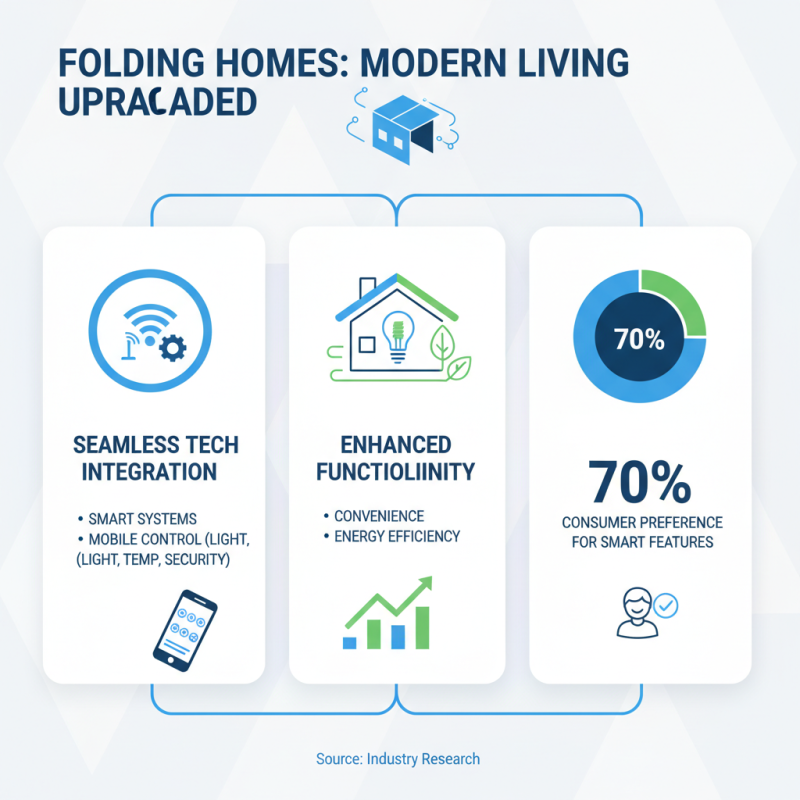
Folding homes are transforming modern living. These innovative structures integrate technology seamlessly, enhancing their functionality. Many homes now feature smart systems that control lighting, temperature, and security from a mobile device. Research shows that around 70% of consumers prefer smart home features for convenience and energy efficiency.
Compact living spaces often face limitations. However, smart technology can maximize utility. Automated furniture adapts to different needs, turning a living area into a workspace. According to industry reports, homes equipped with integrated technology can save up to 30% on energy bills. This is a clear advantage in today's eco-conscious market.
Yet, challenges remain. Not all consumers are tech-savvy. Some may struggle to adapt to new systems. This can lead to frustration. Moreover, the initial investment in smart technology may deter potential buyers. As folding homes evolve, addressing these concerns is vital for market growth. Without addressing user experience, the full potential remains unreachable.